
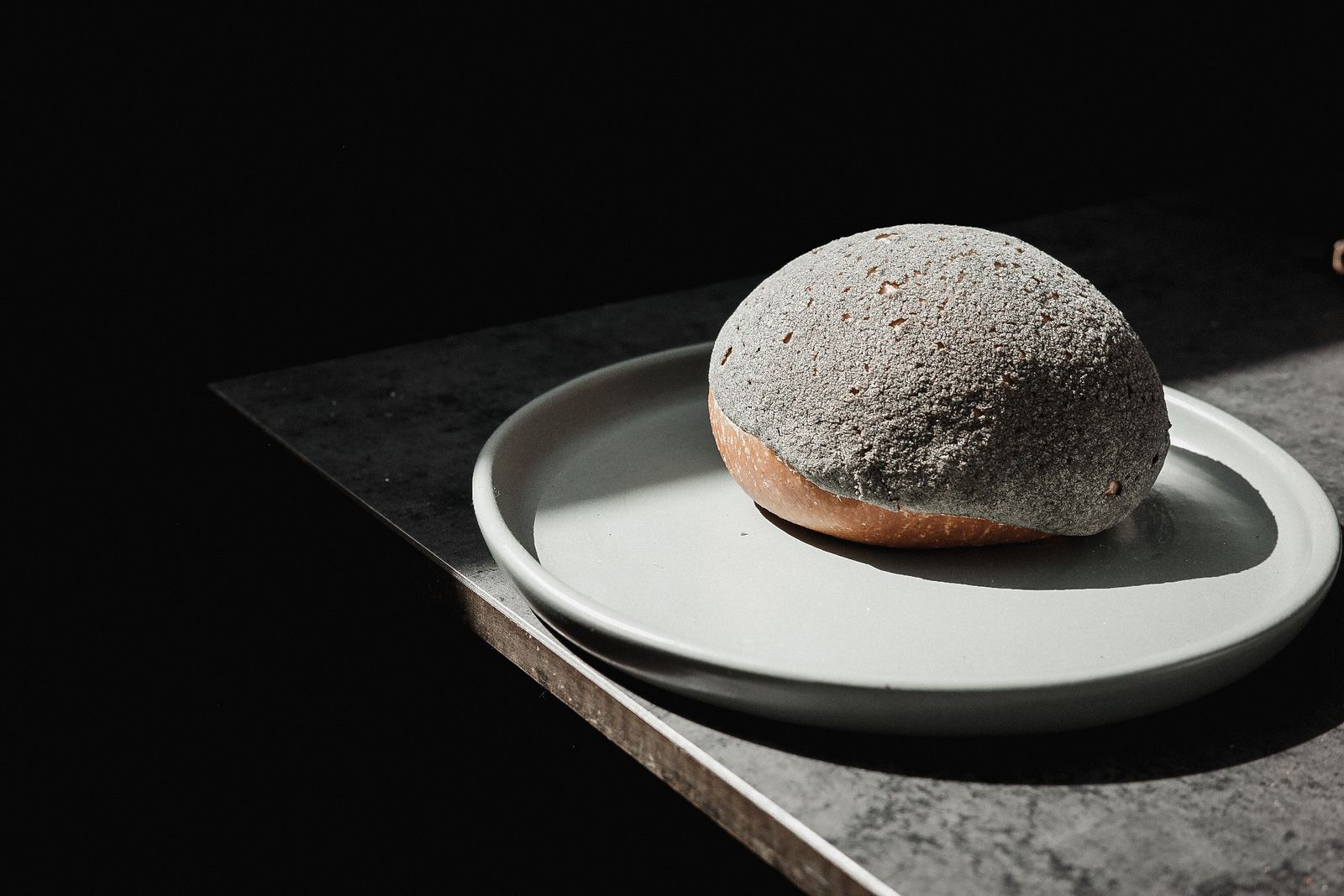
In 2017, Mariela Camacho, the oldest child of Mexican immigrant parents, was preparing sourdough loaves for coffee shops in Seattle when she chose to embrace her roots and learn how to make conchas, the large sweet buns typically found in Mexican bakeries.
The challenge: She had no clue how to create them. “My family cooks, but baking is not their thing, so I had to teach myself,” she remarked. “Nine years ago, conchas weren’t trendy, so I basically had to learn on my own.”
Now, Camacho produces vibrant conchas in contemporary flavors such as Earl Grey and vanilla, hot chocolate infused with saffron and guajillo, and brown butter lavender at Comadre Panadería, her cheerful pink establishment in Austin, Texas.

She’s not alone. Modern conchas are appearing nationwide: in New York at Vato and Cosme; in Los Angeles at Santa Canela and My Panecito; in Vermont at Atla’s Conchas. Even Popeyes has joined the concha trend, launching a Tequila Don Julio–flavored concha chicken sandwich during the Super Bowl.
One of the clearest indicators of the concha’s rise occurred last February at La Rue Doughnuts, a French bakery in Dallas, where the croissant met the concha. “The croncha was a natural method of merging the cultures in our kitchen,” stated owner Amy La Rue, highlighting her predominantly Mexican staff. The pastry—layered like a croissant and topped like a concha—drew long lines down the street and redefined the bun as a counterpart to French pastries.
This transformation is quantifiable. Food industry research group Datassential indicates that menus featuring conchas have surged 68% in the last four years, with 53% of Gen Z diners “definitely interested” in trying one—more than any other age group.
“We’re sharing our childhood memories, and now people are noticing,” commented Erick Rocha, pastry chef at Corima in Manhattan and the all-day cafe Vato in Park Slope, Brooklyn, where conchas frequently sell out. “Many of us are putting conchas on the map for the American audience.”
Upholding Tradition
The concha dates back to the 16th century, when wheat was introduced to Spanish territories. The pan dulce tradition developed in the 19th century under French influence, with conchas becoming a staple in Mexico City’s cafés de chinos—Chinese-owned eateries that emerged in the early 20th century. Over time, the buns transformed from traditional vanilla and chocolate to more creative varieties, including those infused with hoja santa at Mexico City’s renowned Panadería Rosetta.
