
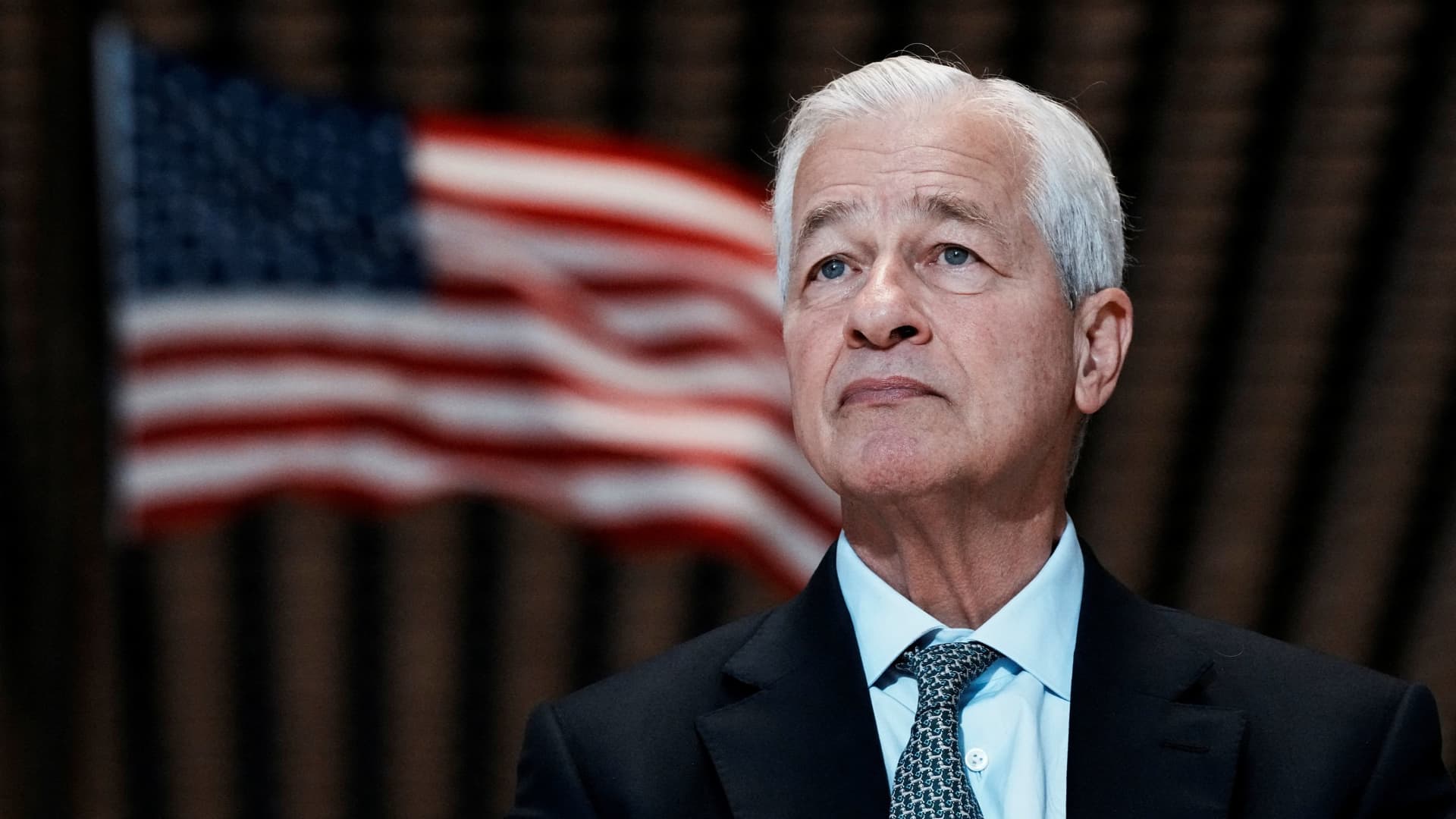

JPMorgan Chase CEO Jamie Dimon on Tuesday cautioned that escalating government debt levels could precipitate a crisis in the bond market, urging decision-makers to intervene before conditions require them to react.
Dimon’s remarks were triggered by an inquiry regarding his concerns about the increasing levels of government debt “globally and in your nation.”
“At the current trajectory, a bond crisis is inevitable, and then we’ll have to manage it,” Dimon stated at an investment symposium organized by Norway’s sovereign wealth fund, the largest globally.
“I’m not overly concerned that we won’t handle it,” Dimon commented. “I just believe maturity suggests that we should address it, rather than allowing it to unfold unchecked.”
Dimon, who leads the world’s largest bank by market capitalization, remarked that history indicates today’s burgeoning variety of risks might synthesize in unforeseen manners. Although the timing remains uncertain, neglecting to tackle these pressures heightens the likelihood that adjustments occur following turmoil instead of proactive policy actions.
“The number of factors contributing to the risk landscape is significant, such as geopolitics, oil prices, and government deficits,” Dimon noted. “They could dissipate, but they might not, and we can’t predict which set of circumstances will trigger the issue.”
A bond crisis would likely result in an abrupt rise in yields and a collapse in market liquidity, as investors hasten to sell while buyers withdraw, often forcing central banks to intervene as purchasers of last resort.
A recent instance is the 2022 U.K. gilt crisis, where yields on U.K. government bonds surged, necessitating intervention from the Bank of England to stabilize the market.
In a comprehensive interview, Dimon discussed risks he perceived in the credit cycle, the speed of artificial intelligence integration, and his perspectives on establishing corporate culture.
While he did not believe that private credit, estimated at around $1.7 trillion, posed enough of a systemic threat to the U.S. economy, he emphasized that the greater risk lies in a downturn across all lending categories being more severe than anticipated.
“It’s been so long since we’ve experienced a credit recession, so when one occurs, it would likely be more severe than what people anticipate,” Dimon remarked. “It could be devastating.”
