
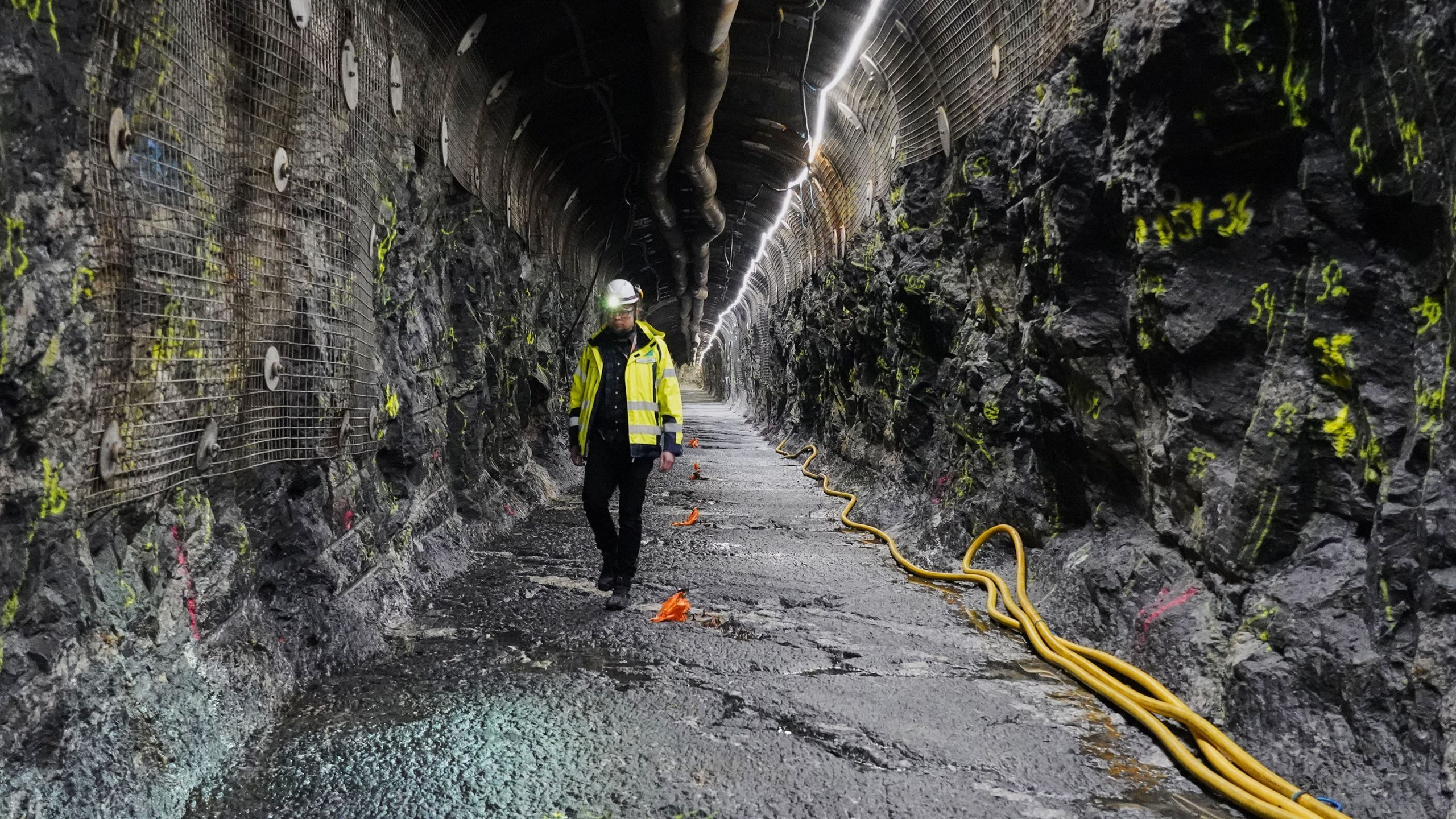


Nuclear energy is currently experiencing an unusual wave of support across the political landscape in the US. The surge in interest from technology firms eager to satisfy the demand for large data centers has rekindled investment and focus within the sector. This revitalized attention is precisely why it’s crucial to address an ongoing issue: nuclear waste.
In the United States, nuclear reactors generate approximately 2,000 metric tons of high-level waste annually. However, there is no established location for its disposal.
Despite its newfound popularity, the nuclear program in the US is far from novel. The country boasts more reactors and production capabilities than any other nation globally. Yet, nearly seventy years after the first permanent nuclear facility came into operation, a long-term solution for nuclear waste remains elusive.
Used fuel is primarily stored onsite at both functioning and decommissioned reactors, housed in pools and containers constructed from steel and concrete. While professionals generally consider these methods safe, they are not intended to serve as permanent solutions.
The predominant global strategy for the long-term management of high-level radioactive waste involves storing it in a deep geological repository—digging a cavity, placing radioactive materials within, and sealing it with concrete. These repositories, located hundreds of meters beneath the surface, are designed to be long-lasting solutions.
No operational geological repositories for spent fuel currently exist, but several countries are making significant progress. Finland is the most advanced; as of 2026, the nation is currently testing its facility. Final authorizations are anticipated shortly, and operations may commence within the year. Other nations are also advancing in this area.
France is home to over 50 nuclear reactors and sources more of its energy from nuclear power than any other country. It also hosts the world’s most developed program for reprocessing spent fuel. This process separates plutonium and uranium to produce a type of fuel known as mixed oxide (MOX) fuel. However, reprocessing isn’t a perfect recycling system, leaving residues that still need a destination. Presently, the country is storing waste onsite at the La Hague reprocessing facility but has intentions to develop a repository. Initial approvals may come later in this decade, with pilot operations potentially starting by 2035.
Legally, the US has a designated site for its spent fuel: Yucca Mountain in Nevada. This location, situated on federal land, was assigned by Congress in 1987. However, progress has completely stalled due to political resistance. In 2011, federal funding for the site was ceased, and there has been minimal activity for nearly a decade.
Meanwhile, the accumulation of waste continues.
The nuclear sector is entering a new phase globally. China possesses the world’s rapidly expanding nuclear energy program, and nations such as Bangladesh and Turkey are constructing their first reactors.
Even the long-standing US program is experiencing growth: Interest and approval for nuclear energy have surged, with Big Tech investing to address the increasing electricity demand. Companies are proposing (and starting to gain regulatory approval for) next-generation reactors, which utilize varying coolants, fuels, and designs.
In light of this renewed interest and the forthcoming introduction of new types of nuclear waste, it’s essential for nuclear companies, along with their influential clients, to advocate for advancements in establishing geological storage facilities. As the wealthiest nation in the world and a major player in next-generation reactors, the US should strive to keep pace with leading efforts rather than lag behind.
Allocating even a small portion of the recent influx of funding and attention toward waste management could yield significant benefits. Some specialists are advocating for the creation of a new organization in the US to oversee nuclear waste instead of leaving it to the Department of Energy. This proposed organization would emulate initiatives in Finland, Canada, and France.
The journey of planning, constructing, and launching a permanent solution for nuclear waste is lengthy. Finland began its planning in the 1980s, selected its site in the early 2000s, and is now nearly prepared to start accepting waste. For countries without a resolved permanent storage solution, the optimal time to act was years ago. However, the second-best opportunity is now.
This article is from The Spark, MIT Technology Review’s weekly climate newsletter. To receive it in your inbox every Wednesday, sign up here.