
Deadly threat
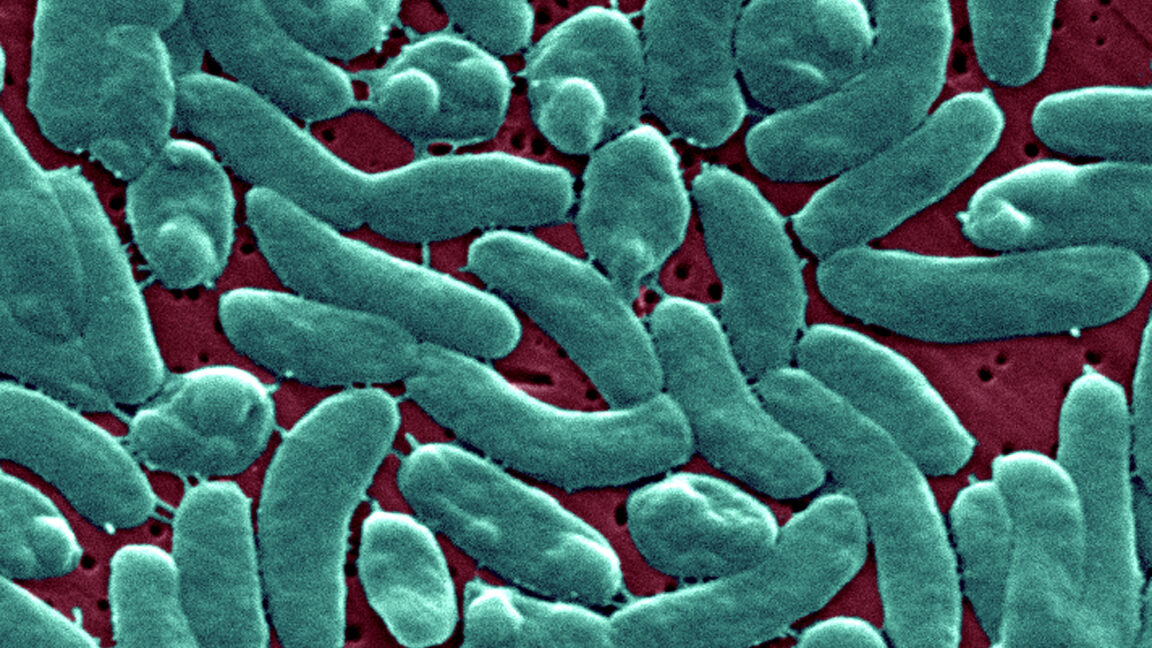
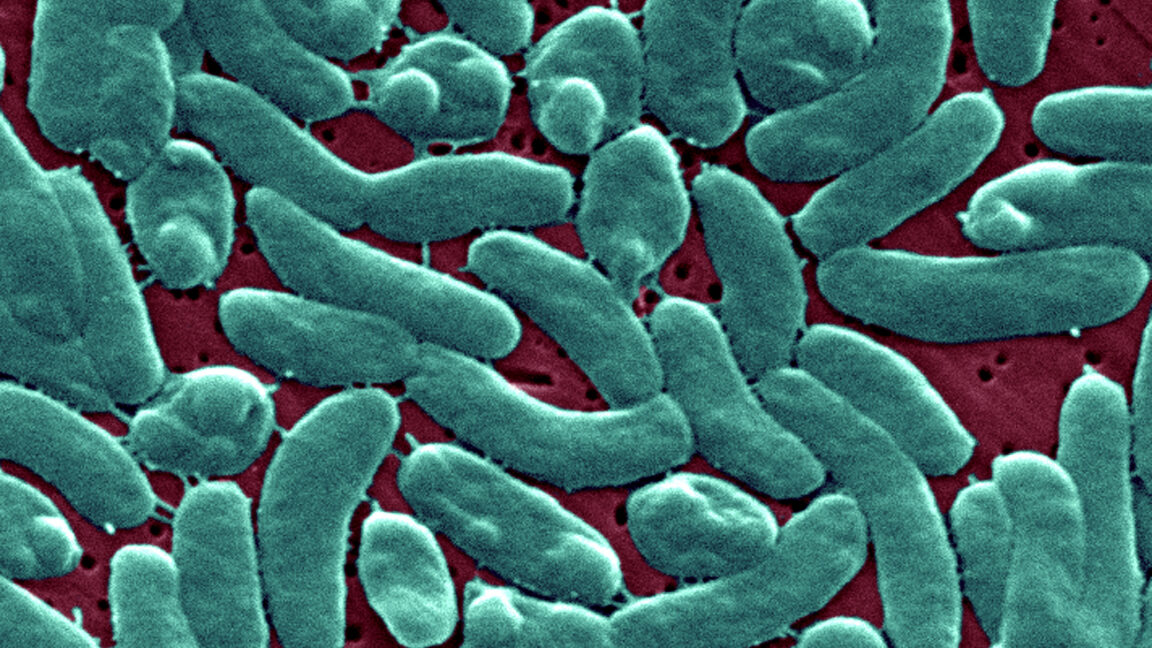
These bacteria possess an extensive repertoire of molecular weapons, including multiple toxins, that allow them to commandeer cells, siphon nutrients, break down structural proteins, erode tissue linings, make blood vessels more permeable, drive damaging inflammation, blunt immune defenses, and broadly devastate their hosts.
The overall mortality for V. vulnificus infections is roughly 35 percent. For anyone who is immunocompromised or has liver disease, death rates climb to about 50–60 percent. Likewise, patients who develop sepsis—a life‑threatening systemic response to infection—face roughly a 50 percent mortality. In situations like the one described, if antibiotics or surgical removal of necrotic tissue are delayed, the fatality rate rises to 100 percent.
The man in this case survived, but his right leg was so badly damaged by the time he reached the hospital that he required an above‑knee amputation. His forearm needed extensive skin grafting taken from other parts of his body. After a course of antibiotics and six months of recovery, doctors reported he had healed well.
The case underscored that the danger from V. vulnificus is growing with climate change, and medical experts view its increasing presence as a pressing public health concern. Warming waters, a widening geographic range, and rising antibiotic resistance are boosting the risks. Between 1998 and 2018, U.S. cases of V. vulnificus increased eightfold, spreading into areas where the bacterium was once uncommon, including Massachusetts, New Hampshire, and Maine.
“The abundance and geographic range of V. vulnificus are expected to expand owing to climate‑related factors, including higher water temperatures, storm surges, salinity shifts, and algal blooms,” the man’s doctors wrote.
The Centers for Disease Control and Prevention recommends preventing a Vibrio infection by eating only thoroughly cooked seafood and washing your hands after handling raw seafood. If you have an open wound, avoid entering brackish water or at minimum keep it tightly covered. If you are wounded in brackish water or an existing wound is exposed, wash it with soap and clean, running water.
