
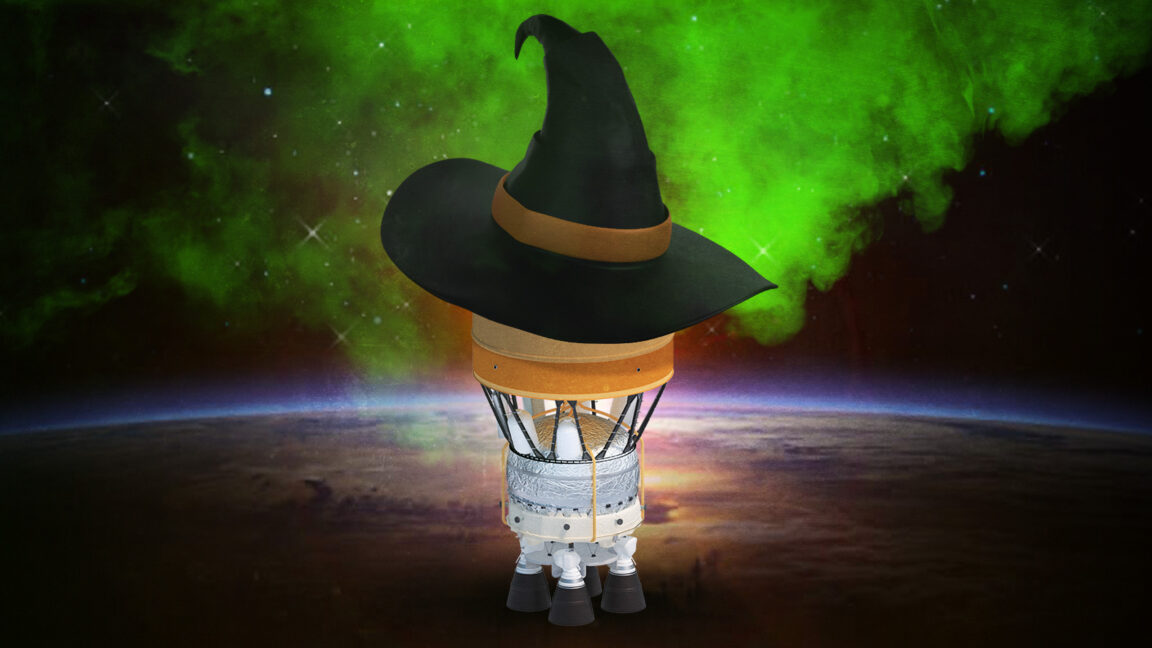
You might assume NASA would turn to commercial partners for a fix. United Launch Alliance was already working on a stronger upper stage for Vulcan, the Centaur V, which used the same propellant as the SLS core, and Blue Origin was developing a hydrogen‑fueled BE-3U upper‑stage engine. Those alternatives were less expensive, ready or close to ready, and yet … promptly dismissed.
A decade, billions spent, and little to show
Congress, eager to protect and create jobs, pushed NASA to build an all‑new upper stage. In 2016 lawmakers set aside $85 million for initial design work and have since obligated more than $3.5 billion.
To produce what is essentially a rocket’s second stage.
Using RL‑10 engines that have been flying in space for roughly sixty years.
And after ten years, the new upper stage is still several years away from a first flight.
In many respects the Exploration Upper Stage proved ideal for pork‑barrel spending. It directed contracts to Boeing and Aerojet Rocketdyne (for the engines) and required the construction of a huge new launch tower in Florida — a win for Kennedy Space Center’s Exploration Ground Systems program.
Those initial price tags are worth revisiting. Boeing’s original contract to build the Exploration Upper Stage began at $962 million, and NASA had hoped to fly the vehicle on SLS’s second launch in 2021. That timeline slipped. The launch tower was first estimated at $383 million but more recently was creeping past $2 billion. So we’re talking multiple billions of dollars for a comparatively simple upper stage that uses off‑the‑shelf engines and a very large launch tower.
