
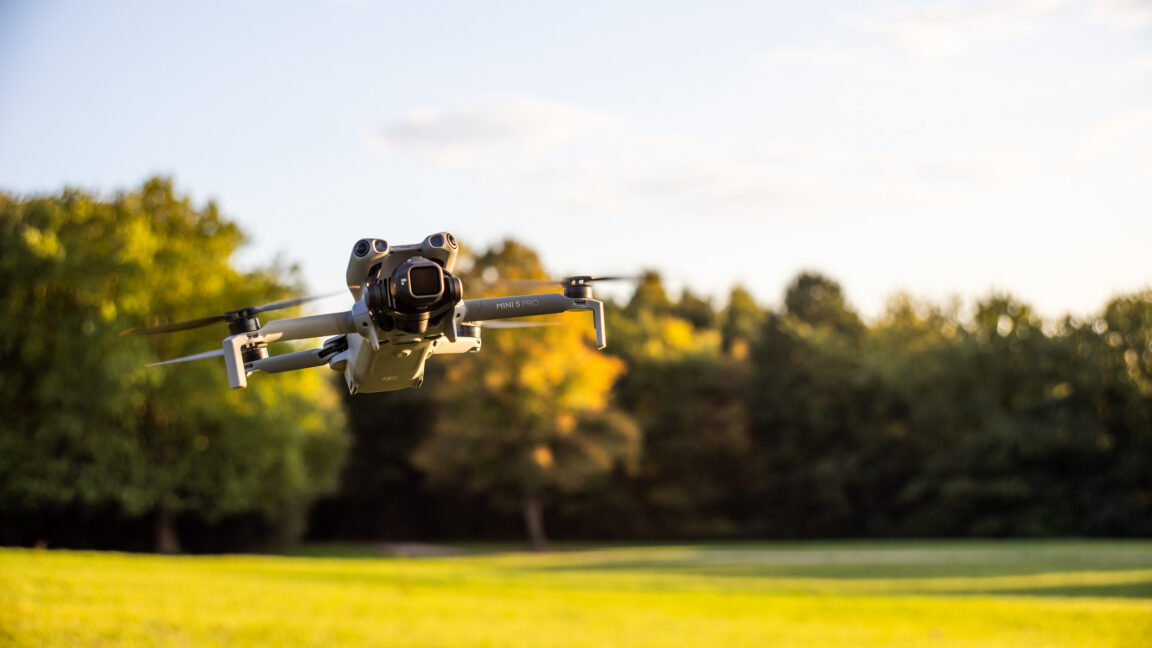
DJI repeatedly asked the US government to inspect its devices in an effort to avoid a ban, but the federal prohibition was ultimately implemented based on previously obtained information, The New York Times reported this week.
The decision means Americans will be unable to buy new DJI drone models; DJI, which owns 70 percent of the global drone market in 2023 according to Drone Industry Insights, is widely regarded as the premium drone maker. Consumers can still purchase drones from US firms, but American models have a lackluster reputation compared with DJI and other Chinese manufacturers, such as Autel. US-made drones are also known for being costly, typically priced well above their Chinese equivalents. DaCoda Bartels, COO of FlyGuys, which connects commercial drone pilots with work, told the Times that US drones are “half as good.”
Hobbyists also worry the ban will make it harder to source drone parts, potentially harming the repairability of approved models and DIY projects.
Meanwhile, US-based drone companies are hopeful about capturing business in a market where it has historically been difficult to compete with Chinese brands. It’s also possible the ban will simply lead to a drop in US drone purchases.
In a statement, Michael Robbins, president and CEO of the Association for Uncrewed Vehicle Systems International (AUVSI), which includes US drone companies like Skydio as members, said the ban “will truly unleash American drone dominance” and that the US cannot “risk… dependence” on China for drones.
“By prioritizing trusted technology and resilient supply chains, the FCC’s action will accelerate innovation, enhance system security, and ensure the US drone industry expands rather than remaining under foreign control,” Robbins said.
DJI said in a statement issued on Monday it was “disappointed” by the FCC’s decision, adding:
Although DJI was not singled out, no information has been released about what data the Executive Branch used in reaching its determination. Concerns about DJI’s data security are not supported by evidence and instead appear driven by protectionism, contrary to the principles of an open market.
