
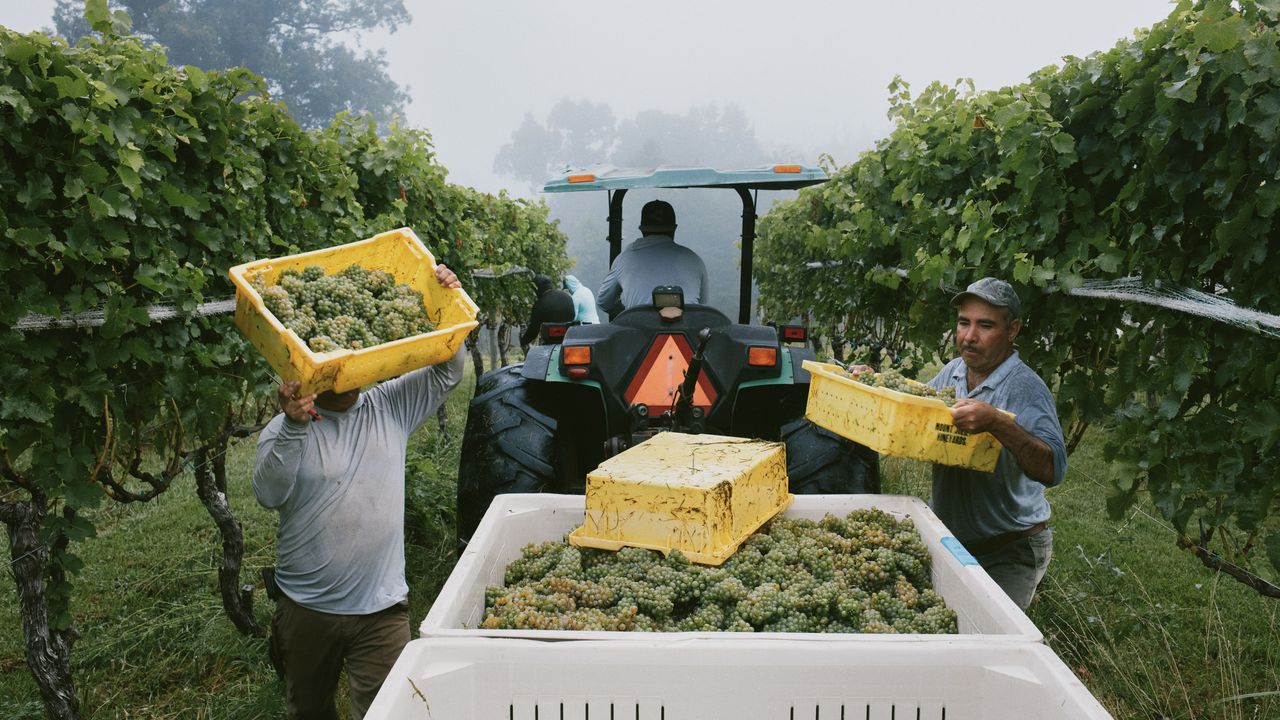

Maryam Ahmed, an entrepreneur based in Napa, serves as the CEO of Maryam + Company, a certified B Corporation that transforms ideas into strategic experiences, frequently through the lens of food, wine, and locale. Below, she articulates the reasons why local hospitality ventures ought to promote their regional wines.
While on a scouting expedition to a wine region for my immersive travel initiative, Field Blends, I entered a hotel adjacent to wine country and was offered wines from 2,000 miles away. A few months prior, in a different area, I dined at what was deemed the “most upscale restaurant in the area.” They excluded wines from producers located merely 15 miles away.
I questioned my audience on social media, “Why are hotels and restaurants in a wine region not serving local wine?!”
Wine producers, tourism boards, and hospitality operators collectively hold a responsibility for narrating a region’s story and ultimately driving its success. Yet, a disconnection in the US persists: Visit a rising wine locale or its notable neighboring cities, and you’ll discover that numerous local eateries and hotels fail to actually serve local wine.
If these establishments are meant to epitomize the best of their region, why are they not doing so?
One explanation lies within the framework of the wine industry itself. Major distributors dominate the marketplace, designed for scale rather than specificity. They provide centralized ordering, consistent inventory, and wines that boast established brand recognition or exclusive pricing strategies that simplify a buyer’s task but ultimately strip a sense of locality from a local venue.
Smaller local producers frequently navigate this infrastructure, but they are not immune to the necessity of engaging with it. Limited output, self-distribution, and low visibility can influence the situation, and without deliberate effort to cultivate demand and relationships, their wines may remain absent from local menus. Thus, a cycle ensues: Profit trumps region. Convenience supersedes community.
The beverage industry is an extensive, intricate system, yet it reacts to demand. This grants significant power to the consumer.
Your choices, spending habits, and requests all influence what appears on a menu. Consumers (both wine professionals and enthusiasts!) might choose based on convenience or familiarity, rather than exploration or locality. However, when these tendencies become the default, they bolster a structure that sidelines local winemakers—especially small, independent, or BIPOC enterprises in their own communities.
This represents a systemic shortcoming. When restaurants and hotels overlook local wine, funds exit the community. They elude the vineyard laborers, the cellar crews, the small business owners striving to offer fair wages. They bypass the local tax base and undermine the regional economy. They impede the area’s ability to build resilience against climate-related disasters, and they complicate producers’ capacity to invest in their land or recruit seasonal help.
In an era where federal aid feels increasingly uncertain and states are left to navigate challenges independently, reinvesting in local businesses is not merely a commendable act—it is a collective obligation. Without that reinvestment, the beloved destinations we cherish risk losing the very essence that attracts visitors.
I do not propose that every wine list must consist solely of local selections. Variety has merit, and thoughtful curation constitutes good hospitality. However, when dining in a wine-producing region and there isn’t a single local wine available by the glass, that’s a choice that raises questions.
Moreover, for travelers in search of authentic local flavor, intentionality is crucial. Where do you opt to eat or stay? Smaller, independent businesses often have greater leeway to source locally, and your spending is more likely to circulate through an entire regional supply network rather than reinforcing national ones. What do you anticipate from the places you visit? Mission statements are now as easily accessible as menus. If a business professes commitment to local farms and producers, that principle should extend to the glass.