

As the conflict in Iran persists, affecting the Middle East and with the Strait of Hormuz remaining shut, one of the most apparent global economic consequences has been the rising fossil-fuel prices. Specifically, the spotlight is on gasoline prices, which have recently surpassed an average of $4 per gallon in the US, reaching their peak since 2022.
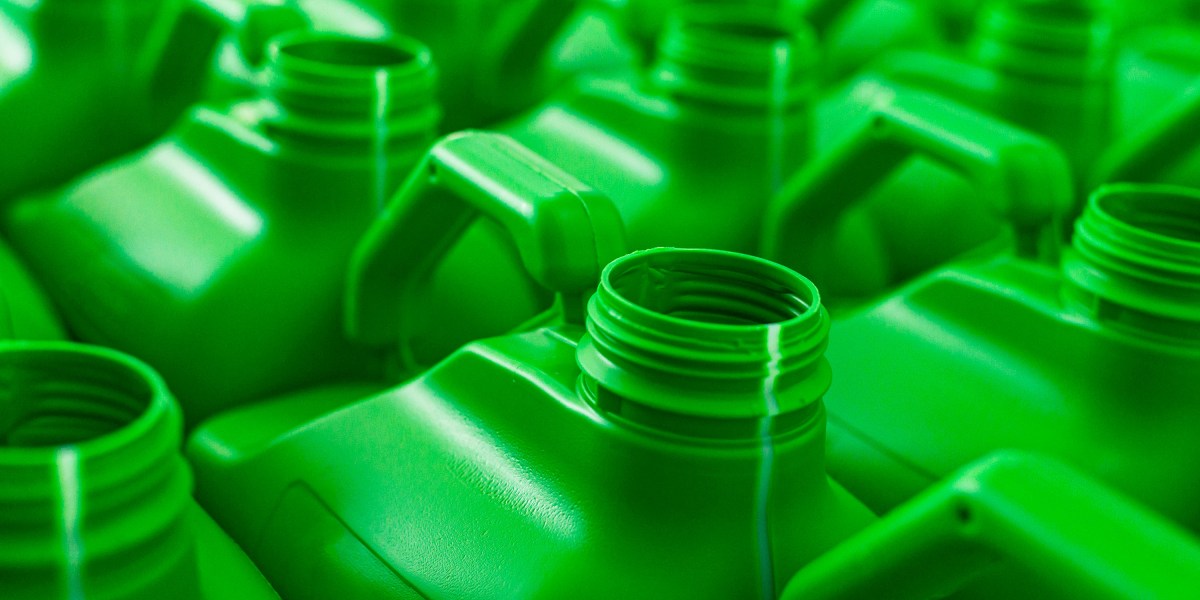
However, looking forward, additional ramifications for the global economy may be anticipated in the plastics sector. Plastics are produced from petrochemicals, and the supply chain ramifications stemming from the oil supply crisis near Iran are beginning to accumulate.
Currently, plastic production is responsible for approximately 5% of global carbon dioxide emissions. Our present circumstances highlight just how ingrained oil and gas derivatives are in our daily lives, extending well beyond their primary role in energy production.
As I compose this, I am clad in garments with plastic fibers, engaged in typing on a plastic keyboard, and looking through the plastic lenses of my spectacles. Envisioning a world devoid of plastic is quite challenging. In several respects, shifting away from fossil-fuel-based plastics could be even more intricate than transitioning our energy framework toward decarbonization.
Crude oil prices have experienced fluctuations recently, now exceeding $100 per barrel.
Crude oil houses a diverse array of hydrocarbons and is usually refined through distillation, separating the raw material into various fractions based on their boiling points. These fractions are subsequently processed into myriad products ranging from jet fuel to asphalt binder. Price increases have already been evident for certain products derived from crude oil, including gasoline and jet fuel.
Let’s focus specifically on naphtha. This substance can be blended into gasoline and jet fuel to enhance performance. Additionally, it can function as a solvent or serve as a fundamental component in plastic production.
The Middle East presently contributes around 20% of global naphtha output and dominates approximately 40% of the Asian market, where prices have surged by 50% in the past month.
We are beginning to observe these impacts cascading down the supply chain. The cost of polypropylene (a naphtha derivative used in food packaging, bottle caps, and automotive components) is rising, particularly across Asia.
Generally, manufacturers maintain a certain amount of stock, but that reserve will likely deplete soon, probably within the next few weeks. The leading supplier of bottled water in India has recently declared an 11% price increase following a more than 70% rise in packaging costs, as reported by Reuters. Toys may become pricier this holiday season as manufacturers struggle with supply chain challenges.
If disruptions persist, Americans are likely to experience these consequences particularly intensely. In 2019, the average American utilized over 250 kilograms of new plastics, according to a 2022 study from the Organization for Economic Cooperation and Development. This is an extraordinarily large figure—while the global average is merely 60 kilograms.
The ramifications of increased prices for both fuels and feedstocks could amplify, with few alternatives available. Biodegradable plastics created from materials like plant sugars do exist, yet they represent an insignificantly small segment of the market. As of 2025, global plastics production exceeded 431 million metric tons annually. Bio-based and biodegradable plastics constituted about 0.5% of that total, possibly reaching 1% by 2030.
Bio-based plastics are significantly pricier than their fossil-derived versions. Furthermore, many are produced from agricultural raw materials, so scaling production too rapidly could adversely affect the environment and compete with sectors such as food production.
Recycling is not an uncomplicated solution either. Mechanical recycling is the prevailing method employed for materials like those used in water bottles and disposable coffee cups. However, this process degrades the materials over time, making infinite reuse impossible. Chemical recycling encounters its own challenges—the plants that carry it out can be notably polluting, and currently, plastics sent to advanced recycling facilities largely do not convert back into new plastics.
Recent discussions have addressed how this energy crisis may accelerate the global shift towards renewable energy sources. Solar panels, electric vehicles, and batteries may suddenly seem more appealing as we confront the severe impacts of a disruption in the worldwide fossil-fuel supply.
Yet, regarding plastic, the future appears considerably more complex. Even though the plastics sector is encountering similar disturbances as the energy industry, compelling alternatives for a smooth shift are not readily available. Our existence is interwoven with plastic, from essential items (such as medical apparatus) to everyday products (like my take-out coffee cup). In the near future, our economy may begin to reflect the extent of our dependence on fossil-derived plastics and the challenges associated with replacing them.
This article is from The Spark, MIT Technology Review’s weekly climate newsletter. To receive it in your inbox every Wednesday, sign up here.
