
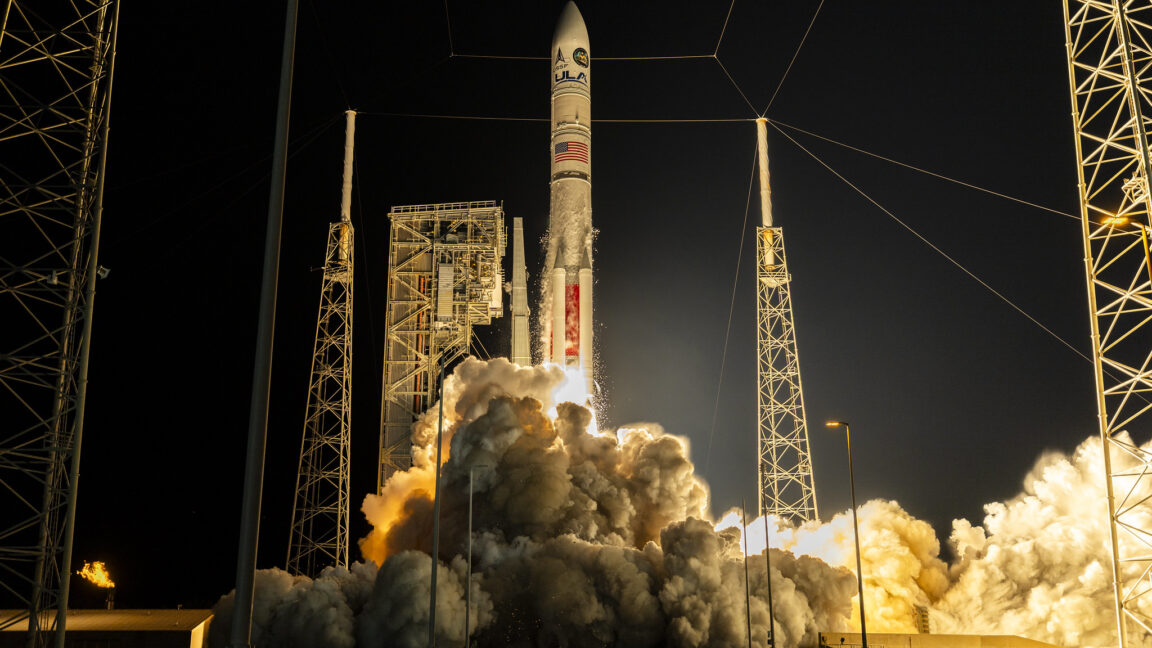
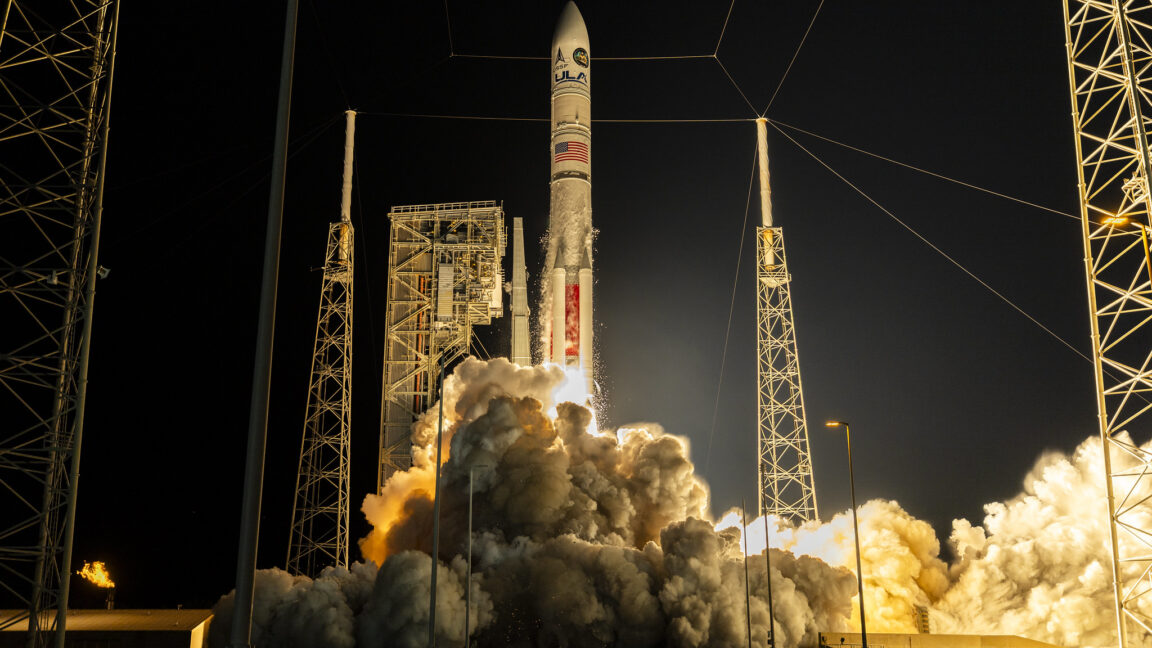
Laura Revell, an atmospheric scientist at the University of Canterbury in New Zealand, presented findings indicating that rocket emissions in the atmosphere can undo some of the progress made toward reducing ozone depletion.
Under a high-growth scenario for the space industry reaching roughly 2,000 launches a year, her models suggest about a 3 percent loss of ozone — comparable to the atmospheric effects of a severe wildfire season in Australia. She said most of the harm arises from chlorine-rich solid rocket propellants and black carbon in the exhaust plumes.
Black carbon can also warm sections of the stratosphere by about half a degree Celsius as it absorbs sunlight. That heating affects surrounding air and can alter winds that direct storms and precipitation patterns.
“This is likely not a fuel we should begin using on a large scale going forward,” she added.
Researchers at the conference estimated that over the past five years the mass of human-made material injected into the upper atmosphere by re-entries has doubled to nearly a kiloton per year. For some metals like lithium, the human-produced amounts already exceed those supplied by disintegrating meteors.
In the emerging field of space sustainability science, researchers say orbital space and near-space should be regarded as parts of the global environment. A 2022 journal article co-authored by Moriba Jah, a professor of aerospace engineering and engineering mechanics at the University of Texas at Austin, argued that the upper reaches of the atmosphere are experiencing increasing impacts from human activities.
The article noted that the expanding commercial use of what appears to be a free resource is effectively shifting its true costs onto others.
At last year’s European Geosciences Union conference, Leonard Schulz, who studies space pollution at the Technical University Braunschweig in Germany, said, “If you introduce large quantities of catalytic metals into the atmosphere, I immediately think of geoengineering.”
Schulz warned there may not be time to wait for greater scientific certainty: “In 10 years, it could be too late to take action.”
Bob Berwyn is an Austria-based reporter who has covered climate science and international climate policy for over a decade. He previously reported on the environment, endangered species and public lands for several Colorado newspapers, and served as editor and assistant editor at community newspapers in the Colorado Rockies.
This article first appeared on Inside Climate News.