

Diet downsides
Still, the ketogenic diet is widely used by people aiming to lose weight, especially those focused on reducing visceral fat, like the man described in the case. Personal accounts claim keto can help people slim down relatively quickly while boosting endurance and mental focus. However, strong clinical evidence for these benefits is limited, and medical professionals have voiced concerns about potential long-term cardiovascular effects and other risks.
There are definite drawbacks. Ketones are acidic, and if they accumulate excessively in the bloodstream they can become toxic, causing ketoacidosis. This risk is especially relevant for people with type 1 diabetes and for those with chronic alcohol misuse. For others, there is a list of common side effects such as nausea, vomiting, constipation, diarrhea, bad breath, headache, fatigue, and dizziness. Ketogenic diets have also been associated with elevated cholesterol and kidney stones.
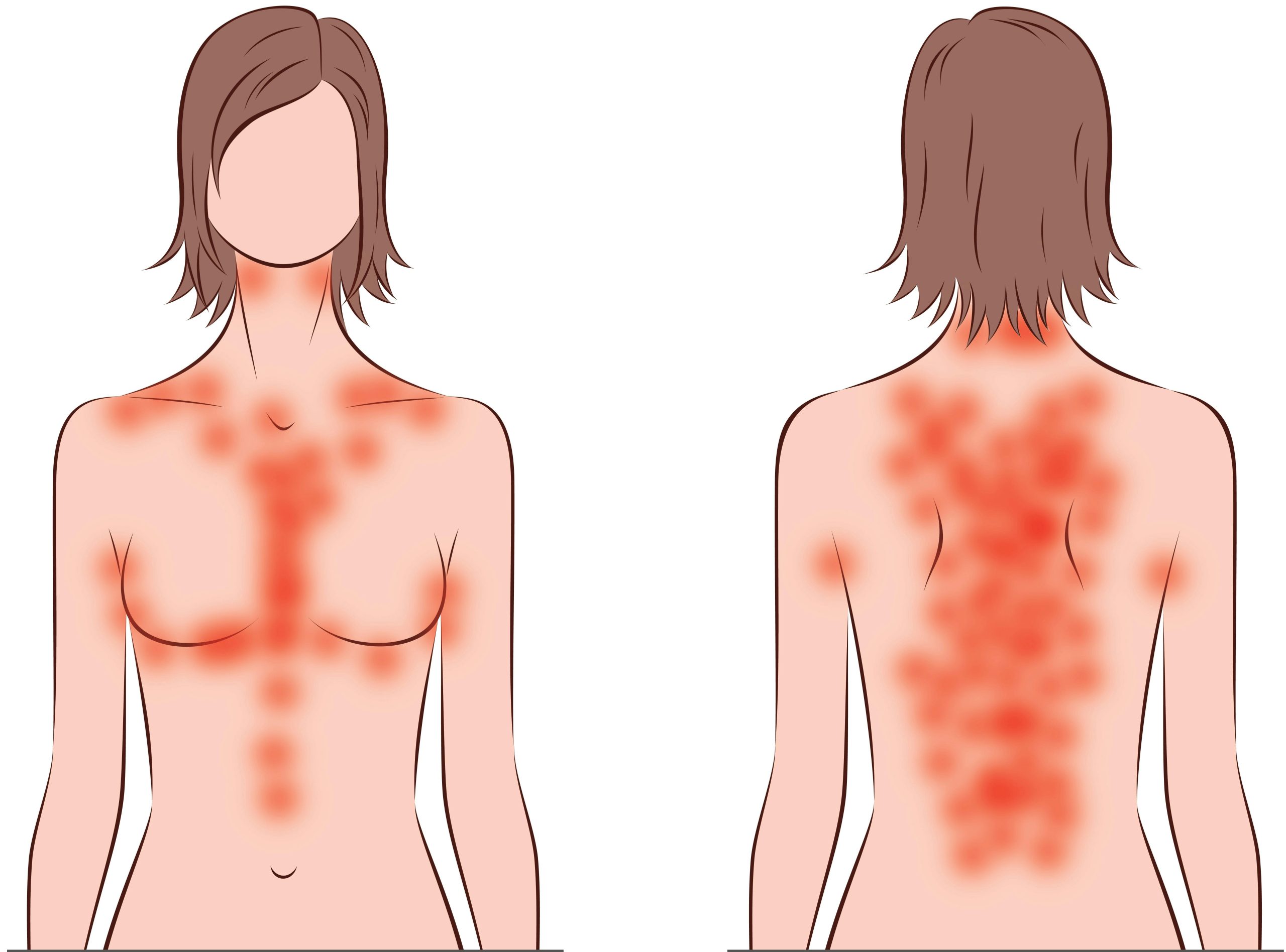
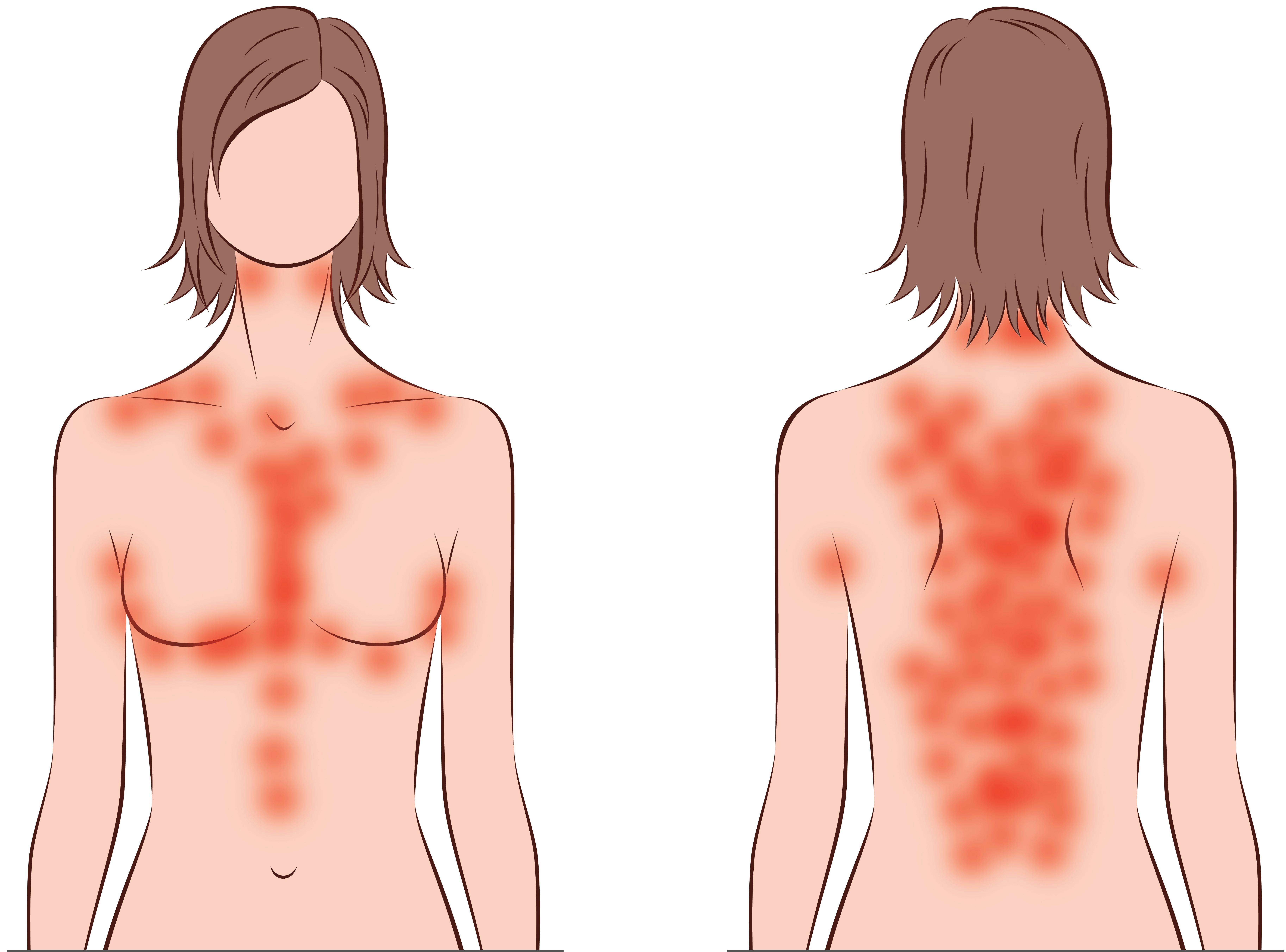
One well-documented but relatively obscure and still puzzling side effect is the “keto rash” or prurigo pigmentosa. This eruption matches the man’s presentation—red, raised, itchy bumps on the neck, chest, and back, often followed by areas of hyperpigmentation.
The rash was first reported in Japan in 1971, where it was mainly seen in women. Although it has repeatedly been linked to metabolic disturbances and dietary shifts, its cause remains unclear. It occurs not only in people following a keto diet but also in those with diabetes, individuals who have undergone bariatric surgery, and people who are fasting.
In a review this month, researchers in Saudi Arabia suggested a leading hypothesis: high circulating ketone levels provoke neutrophil-driven inflammation around blood vessels, and that vascular inflammation produces the rash, which emerges in distinct stages.
Although the condition is poorly understood, effective treatments have been identified. The typical approach is to discontinue ketosis and prescribe an antibiotic from the tetracycline family. While these antibiotics are intended for bacterial infections (which this is not), they can also suppress inflammatory signaling and inhibit neutrophil activity.
In the man’s case, physicians gave him a two-week course of doxycycline and advised him to stop the keto diet. Within a week the rash had cleared.