

While investing significantly in infrastructure, OpenAI is striving to bridge the gap between AI capabilities and real-world applications.
While investing significantly in infrastructure, OpenAI is striving to bridge the gap between AI capabilities and real-world applications.


OpenAI intends to concentrate on “real-world utilization” of AI in 2026, as stated in a blog entry from CFO Sarah Friar. While the company invests significantly in infrastructure, OpenAI aims to “bridge the divide” between what AI can offer and its actual applications. “The market potential is vast and immediate, particularly in healthcare, science, and enterprise, where enhanced intelligence directly correlates with improved results.”
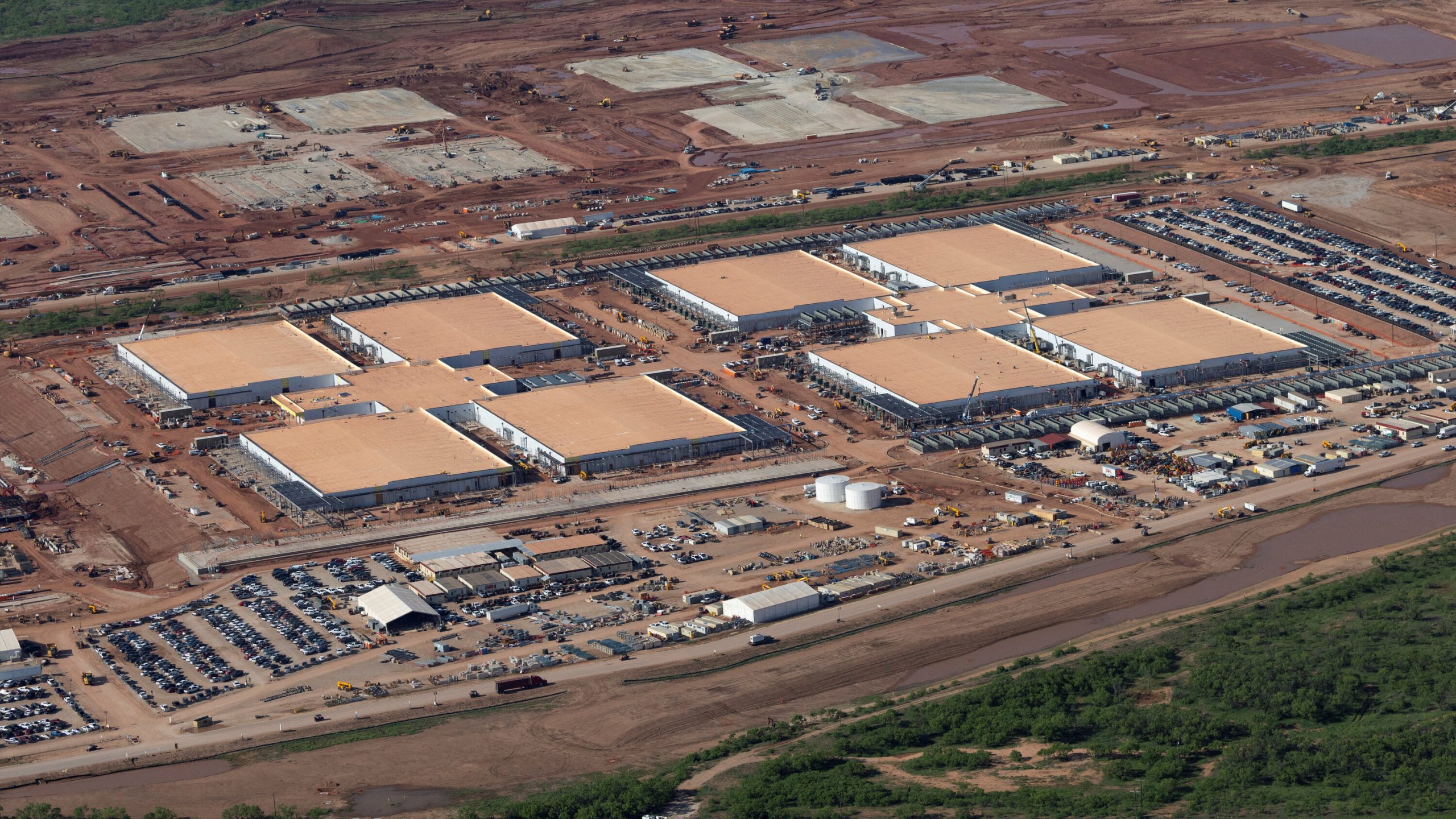
A significant portion of the blog post, titled “A business that scales with the value of intelligence,” discusses OpenAI’s journey since the launch of ChatGPT and how it has expanded its operations. The metrics for the company’s weekly and daily active users “continue to hit record highs,” owing to a “flywheel” effect involving “compute, cutting-edge research, products, and monetization,” as noted by Friar. Nonetheless, the company is also pouring substantial funds into infrastructure, having committed roughly $1.4 trillion to infrastructure initiatives as of last November.
Last week, OpenAI revealed plans to introduce advertisements to the platform shortly and initiated the more affordable ChatGPT Go subscription globally. The future trajectory of OpenAI’s business model is expected to “extend beyond our current offerings,” Friar states:
As intelligence permeates fields like scientific inquiry, drug development, energy management, and financial analysis, new economic frameworks will emerge. Licensing, intellectual property agreements, and outcome-driven pricing will tap into the value produced. This mirrors the development of the internet. Intelligence will follow a similar trajectory.
Such a system demands discipline. Securing top-notch computational resources necessitates long-term commitments, and growth is seldom a linear progression. Occasionally, capacity overtakes usage; at other times, usage drives capacity. We balance this by maintaining a lean balance sheet, opting for partnerships over ownership, and crafting flexible contracts with various providers and hardware types. Capital is allocated in segments responding to genuine demand signals. This approach enables us to advance when growth is present without committing future resources beyond what the market has justified.
It’s possible that some “real-world utilization” for ChatGPT may manifest in the form of hardware devices that OpenAI is developing in collaboration with Jony Ive, with the first device potentially being unveiled later this year.
