
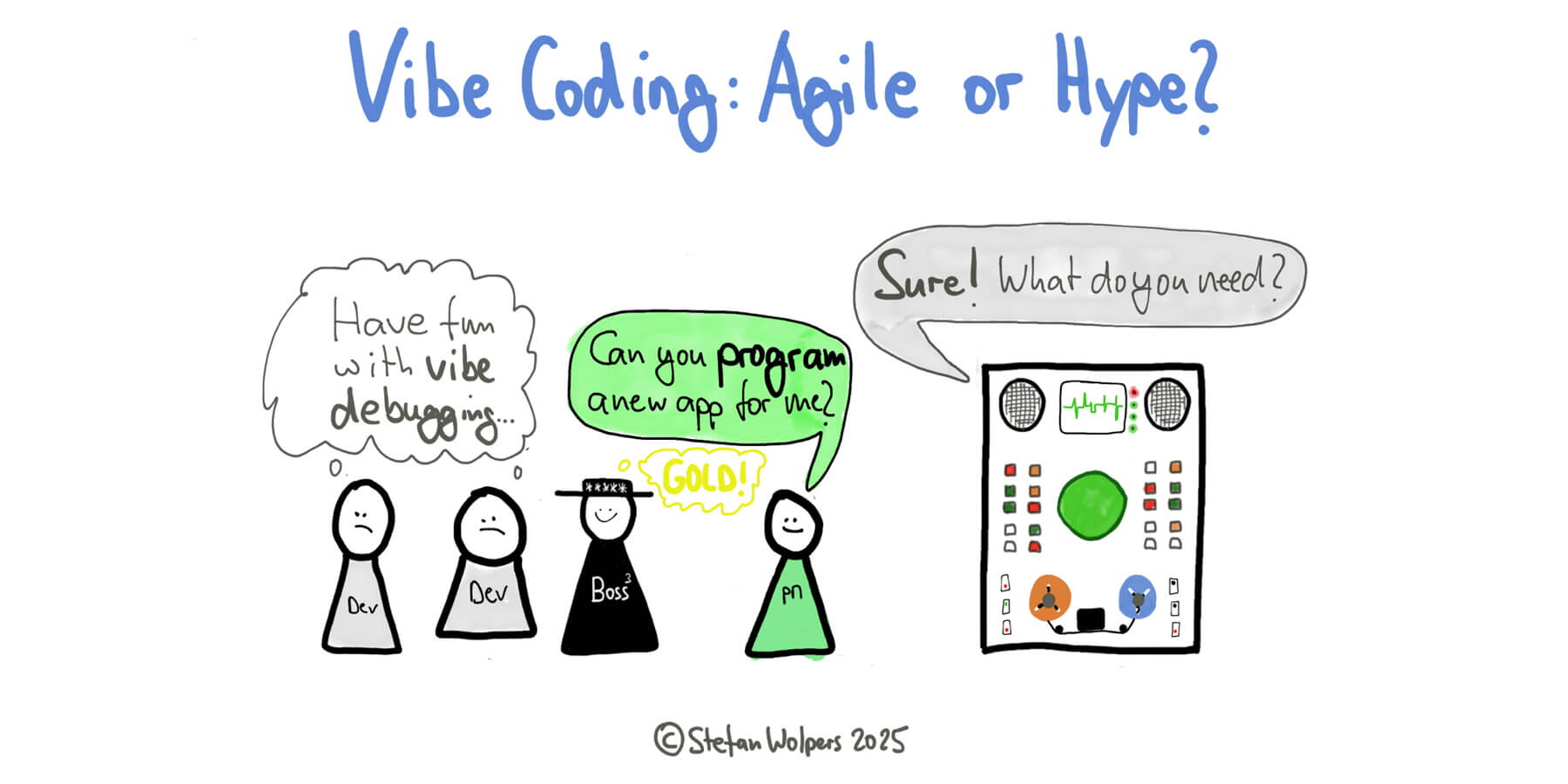
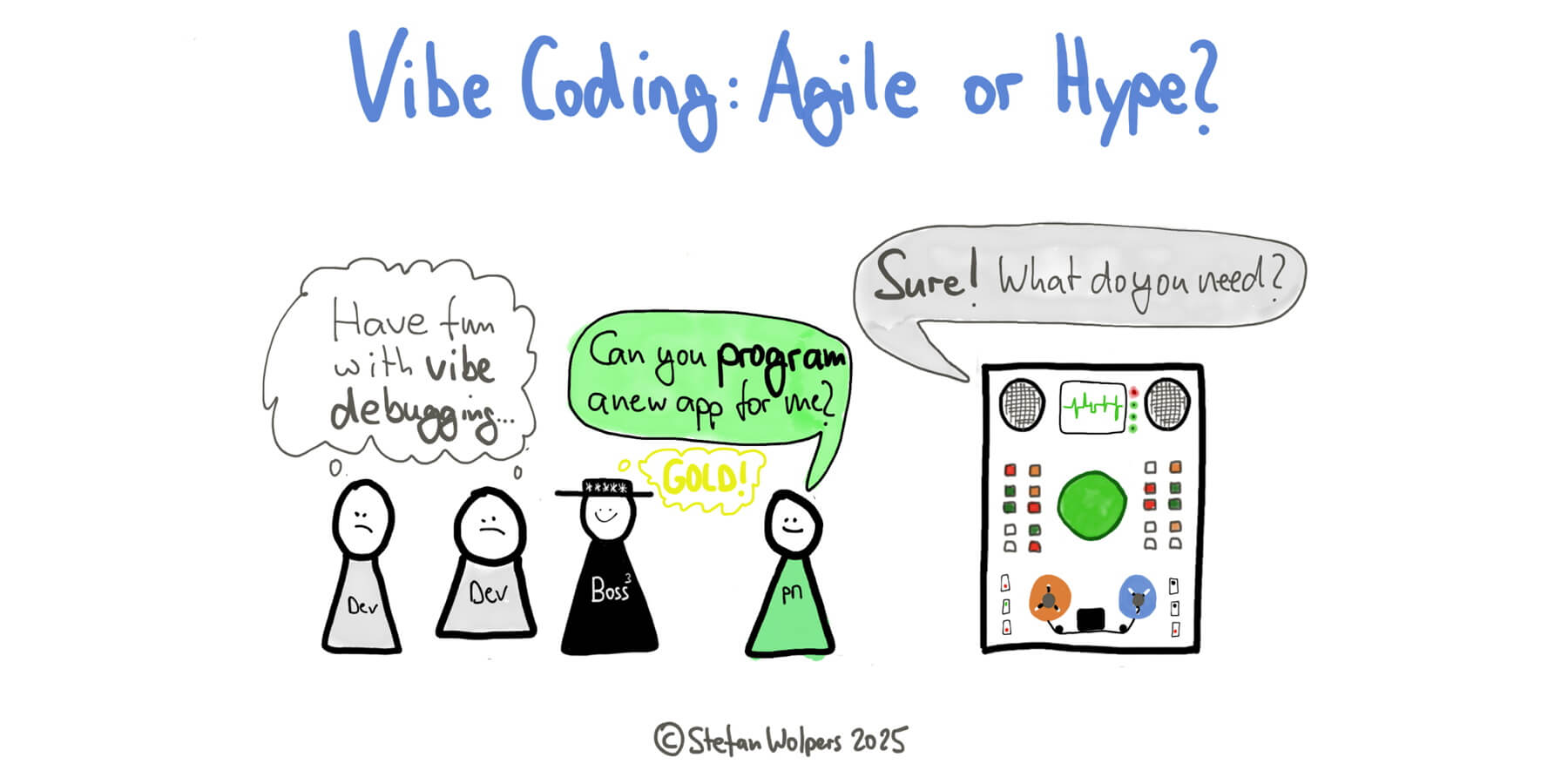

Linus Torvalds, the creator of Linux and Git, says portions of his newest project were “basically written by vibe coding,” though that shouldn’t be interpreted as him adopting that approach universally.
Torvalds occasionally tinkers with small hobby projects during holiday downtime. Last year he built guitar pedals; this year he worked on AudioNoise, which he describes as “another silly guitar-pedal-related repo.” The project generates random digital audio effects.
In the README for the repo, Torvalds disclosed he had relied on an AI coding tool:
Also note that the python visualizer tool has been pretty much produced by vibe-coding. I know more about analog filters—and that’s not saying much—than I do about python. It started as my usual “google and do the monkey-see-monkey-do” style of programming, but then I cut out the middle-man—me—and used Google Antigravity to build the audio sample visualizer.
Google’s Antigravity is a fork of the AI-focused IDE Windsurf. Torvalds didn’t specify which model he used, but using Antigravity suggests (though does not prove) it may have been some version of Google’s Gemini.
Torvalds’ earlier public remarks about using large language model-based tools for programming have been more measured than much of the online debate.
He has praised AI mainly as “a tool to help maintain code, including automated patch checking and code review,” citing examples of tools that found problems he had missed.
Conversely, he has said he is “much less interested in AI for writing code,” and has emphasized that while he’s not anti-AI in principle, he is very much against the hype surrounding it.