
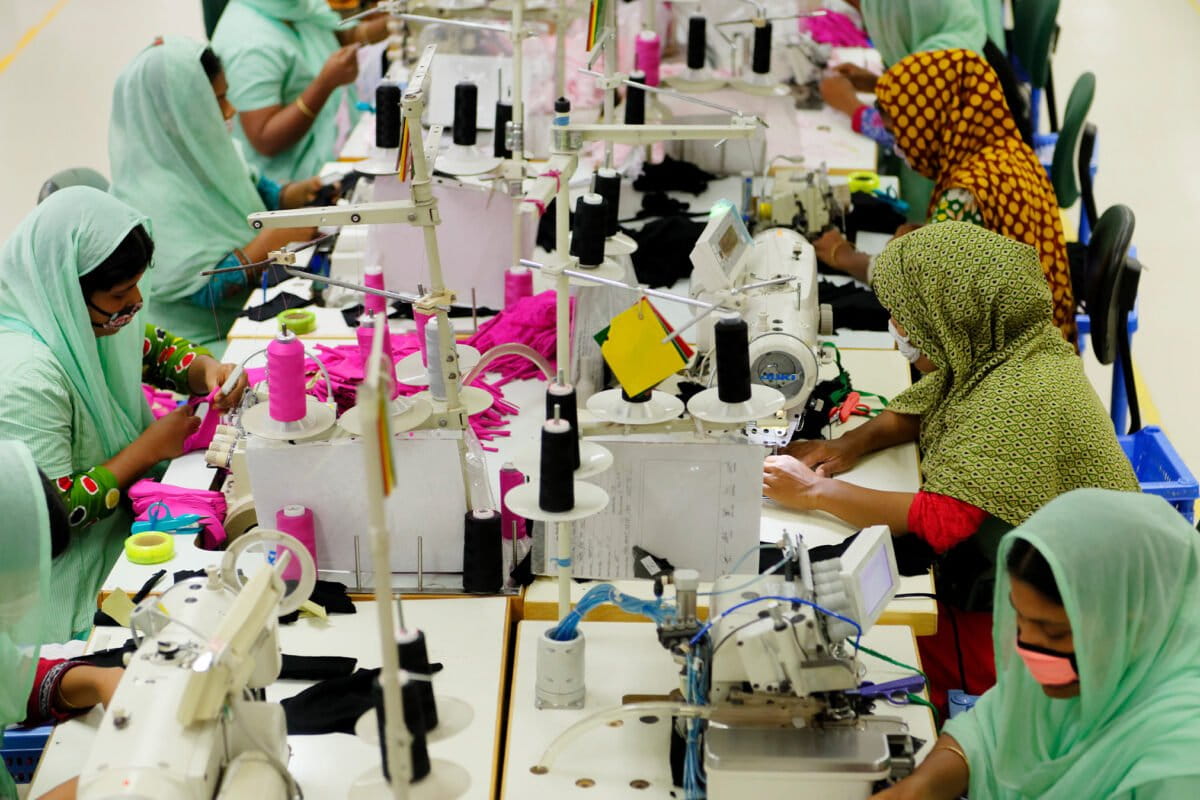

Contaminants from textile manufacturing—such as dyes, chemicals, and heavy metals like lead and cadmium—are prevalent in the waters of the Buriganga River as it flows through Dhaka, Bangladesh. This is just one of the many dangers linked to a garment industry that has previously been marked by disaster: In 2013, the collapse of the eight-story Rana Plaza factory resulted in the deaths of 1,134 individuals and injured around 2,500 more.

However, progress is beginning to unfold. In recent times, the nation has subtly transformed into an unexpected frontrunner in “frugal” factories that employ a mix of resource-efficient technologies to minimize waste, save water, and enhance resilience to climate effects and global supply chain interruptions. Bangladesh now features 268 LEED-certified garment factories—more than any other nation. Dyeing facilities are opting for safer chemical practices, tanneries are embracing more sustainable tanning techniques and processing wastewater, workshops are transitioning to advanced LED lighting, and rooftops are adorned with solar panels. The numerous factories lining the banks of the Buriganga and across Bangladesh are beginning to weave a fresh narrative, crafted from eco-friendly threads.

At Fakir Eco Knitwears’ LEED Gold–certified plant in Narayanganj, a city close to Dhaka, skylights lower energy usage from electric lighting by 40%, while AI-powered cutters enable workers to recycle 95% of fabric remnants into new yarns. “We conserve energy by utilizing daylight, solar energy, and rainwater in place of heavy air conditioning and boilers,” states Md. Anisuzzaman, an engineer with the firm. “It illustrates how local resources can enhance greener and more sustainable production.”
The transition to eco-friendly factories in Bangladesh is funded through a mix of factory investments, loans from Bangladesh Bank’s Green Transformation Fund, and demands from global buyers who promote compliance with ongoing contracts. A key initiative is the Partnership for Cleaner Textile (PaCT), a program operated by the International Finance Corporation of the World Bank Group. Established in 2013, PaCT has engaged with over 450 factories on cleaner production practices. As of now, this initiative saves 35 billion liters of fresh water each year, sufficient for the needs of 1.9 million individuals.


This marks a positive beginning, yet Bangladesh’s $40 billion garment industry still faces significant challenges ahead. The move towards sustainability at the factory level hasn’t yielded better conditions for the sector’s 4.4 million workers.
Instances of wage theft and unpaid wages are pervasive. The minimum wage is approximately 12,500 taka per month (around $113), which is considerably lower than the $200 requested by unions—leading to recurrent strikes and demonstrations concerning pay, overtime, and job stability. “Since the Rana Plaza incident, building safety and factory conditions have improved, but the attitude remains unchanged,” shares A.K.M. Ashraf Uddin, executive director of the Bangladesh Labour Foundation, a nonprofit advocating for labor rights. “Profit continues to take precedence, and workers’ freedom of expression remains unfulfilled.”

In a worst-case scenario, more eco-friendly industry practices could intensify inequality. The sector is predominantly made up of smaller factories, which often lack the financial means for upgrades. Without these advancements, businesses could risk being excluded from specific markets. The European Union is one such market, planning to mandate companies to address human rights and environmental issues in supply chains beginning in 2027. A cleaner Buriganga River addresses only a small portion of a vast array of needs.
Zakir Hossain Chowdhury is a visual journalist based in Bangladesh.
