


You’re correct – it has decreased in size. The Terry’s Chocolate Orange available during this Christmas is 12g lighter compared to last year’s offering. This represents a reduction of 8% – not as significant as the 10% decrease experienced in 2016, yet still a further diminishment of a beloved festive indulgence.
Prices have also surged, though it’s been a gradual escalation. Data from market analysts Assosia indicates that the retail price of a Chocolate Orange has jumped from £1.24 in December 2022 to approximately £2.25 today – an increase of 81%. When you account for the decreased size, you are effectively paying 96% more.
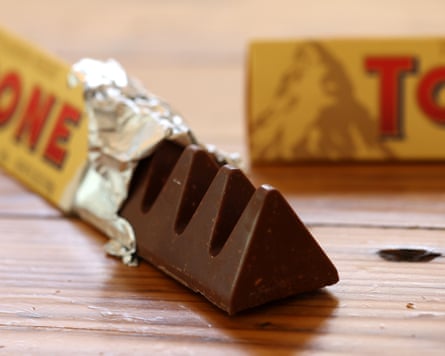
And this is not limited to the Chocolate Orange. Other traditional seasonal favorites have also been shrinking in the UK – Toblerone and boxes of Quality Street among them – while certain snacks are now labeled as “chocolate flavour” instead of chocolate, due to an increase in palm oil and shea oil replacing cocoa.
A comparable trend is evident in other nations. Julia Buech, a senior consumer foods analyst at Rabobank, notes that in western Europe, bar prices have surged more than 50% since 2021, with an 18% rise since last year. “A significant transformation for a category traditionally centered on affordable pleasures,” she remarks.
Why are we being charged more for less? The straightforward answer lies in the rising costs of nearly all components involved in chocolate production: cocoa, sugar, milk, packaging, transportation, and wages. Mondelez International, a major player in the chocolate industry and owner of Cadbury and Toblerone, reports facing “considerably higher input costs throughout our supply chain.” Not only do ingredients now cost “far more” than before, but “additional expenses like energy and transportation also remain elevated.”
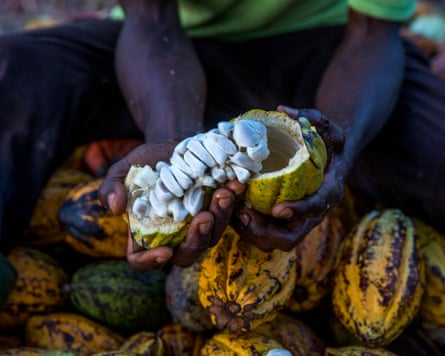
The climate crisis is central to the surges in ingredient prices. Over 60% of global cocoa originates from the Ivory Coast and Ghana in western Africa, and in 2023 these regions encountered extreme rainfall, triggering an outbreak of black pod disease. This was followed by severe drought and a resurgence of swollen shoot virus spread by mealy bugs. “To eradicate it, you must uproot the tree, treat the soil, and plant a new tree,” explains Chris Jaccarini, food and farming analyst at the Energy and Climate Intelligence Unit. Although new plants may eventually enhance yields, they need to endure the initial years, and young trees are significantly more vulnerable to climate challenges.
Declining supply coincides with increasing demand from nations like India and China. Consequently, cocoa prices soared to a historic peak of $12,000 (£9,000) per tonne late last year, tripling from their value in 2023. Cocoa prices remain double those of 2022.
Jason Archie-Acheampong, sustainable sourcing leader for cocoa at the Fairtrade Foundation, highlights that price instability poses a significant issue. Under the current structure, many farmers cannot afford to implement changes that might stabilize fluctuations in cocoa yields. Fairtrade aims to provide them with additional income to help cope with the impacts of global warming. He cites the initiative of “planting shade trees that shield cocoa trees from harsh sunlight,” yet outside the Fairtrade system “farmers have no choice but to accept the prices being offered,” he remarks.
Sugar prices peaked in 2023, and while the global commodity price has since declined, it remains elevated in Europe, where 50% of supply derives from beet sugar. In the UK, sugar beet crops face threats from aphids that can survive milder winters, as well as beet moth, which flourishes in hotter temperatures. One farm in Suffolk reported that beet moth reduced yields by 25% this season. Cane sugar prices were driven up by extreme climatic events in Brazil, India, and Thailand.
The Food & Drink Federation, representing UK manufacturers, reports added pressures including a new packaging levy and hikes in the national insurance contributions for employees. Minimum wage has also risen, and costs for energy and transport have increased. From January 2020 to September 2025, its members’ expenses (excluding labor, regulatory costs, or finance costs) rose by 39%.
Buech notes similar trends are observed elsewhere: “Particularly labor costs are increasing across Europe, with minimum wages rising in many nations.”
In the UK, there’s another component to consider. Since October, retailers have been prohibited from offering these products as part of multibuys (a few years back, a supermarket had a buy-one-get-two-free promotion on Chocolate Oranges).
However, leading manufacturers enjoy advantages due to their scale. Adam Levy, the creator of the Chocolate Professor website, states that the escalation in cocoa prices is more sharply felt by smaller producers who “purchase in limited quantities and lack the bargaining power in procurement and production efficiency.” He highlights that bars with 70% cocoa have experienced the largest price increases.
Nevertheless, some promotions are available, which are slightly reducing prices. If you act quickly, you might manage to get the last of the Chocolate Orange Advent calendars from B&M – priced at 50p for 106g, which harkens back to the cost of Christmases gone by.
