

This report surprised European allies, criticizing the continent’s leaders as “weak” and condemning their approaches to immigration, democracy, and freedom of speech, while noting a decline in their economic and military capabilities.
“It’s unclear whether some European nations possess the economic and military strength to remain dependable partners,” it stated, further indicating that the region faces a deficit in self-confidence. The report also urged the U.S. to re-establish “strategic stability” with Russia, despite the ongoing conflict in Ukraine.
However, David Petraeus, former CIA Director and four-star Army general, informed CNBC that it’s beneficial for European countries to receive a wake-up call regarding their defense and security responsibilities.
The strategy essentially “takes aim at the Europeans, but honestly, some of them needed this because I’ve seen four different presidents implore the Europeans to enhance their own defense, and now that’s actually taking place,” he remarked to CNBC’s Dan Murphy in Abu Dhabi on Thursday.
Petraeus noted that President Donald Trump played a “very significant” role in prompting European nations to increase their defense expenditures.
“He has secured commitments from them that they should have made years ago,” Petraeus asserted, referencing the agreement by NATO members to boost defense spending to 5% of their GDP earlier this year, following persistent pressure from the Trump administration.
‘Putin is not going to budge’
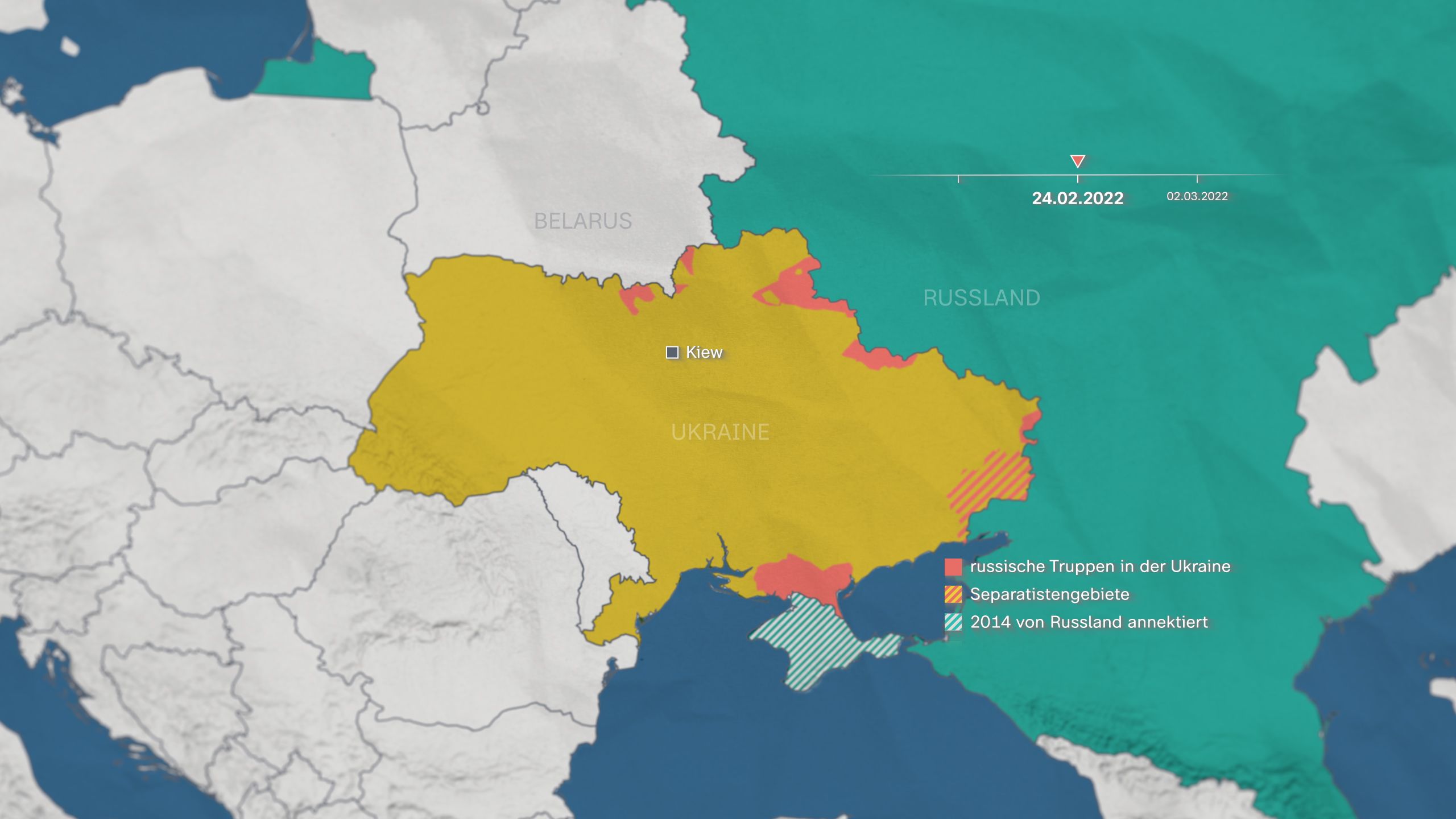
Petraeus’ remarks arrive as diplomatic activities persist to conclude the war in Ukraine, with U.S. officials engaging in discussions around peace proposals with both Russian and Ukrainian counterparts in recent weeks.
Both Russia and Ukraine, along with their European allies, have presented various peace initiatives with conflicting demands and “red lines.” The primary hurdles to peace are ongoing disputes regarding post-war security assurances for Ukraine and Russian demands for Kyiv to relinquish the eastern region of Donbas.
Reports suggest that Washington is encouraging both sides to reach a consensus before Christmas, yet skepticism exists over its feasibility. Meanwhile, Russia seems to be relishing the mounting pressure on Europe and Ukraine from the U.S.
Petraeus expressed doubts about Russia’s willingness to negotiate a peace agreement, as Putin shows little inclination to compromise on war aims such as territorial control, regime change, and establishing a “demilitarized” Ukraine with no chance of NATO affiliation.
“I’m encouraged by the efforts led by the United States, personally backed by President Trump, and his direct mediators, to attempt to bring the conflict to a conclusion. However, I’m not optimistic regarding Moscow’s reactions,” Petraeus commented.
“Vladimir Putin insists on maintaining his maximalist objectives, which fundamentally deny Ukraine’s independence. He seeks to install a pro-Russian leader in place of President Zelenskyy … He desires the demilitarization of Ukraine [and]… control over the most fortified territories,” he continued.
Petraeus concluded, “Putin is not going to budge.”
Frozen assets
Ukraine’s European allies have been exploring strategies to sustain its war effort against Russia, as well as pondering its eventual reconstruction post-war, which is anticipated to exceed $500 billion, as reported by the United Nations, and address Russian reparations.
The EU is reportedly nearing an agreement to mobilize a significant portion of the estimated 210 billion euros (approximately $244 billion) of Russian sovereign assets currently frozen in European financial institutions.
Nonetheless, there are apprehensions regarding the legal implications and potential retaliation from Moscow; the head of Russia’s security council recently cautioned that utilizing Russian assets could provide justification for war.
Petraeus remarked that if the EU proceeds with utilizing frozen Russian funds, it would be a “game changer.”
“We’ve heard numerous claims of game changers before. I’ve typically been skeptical. However … $200 billion or even 100 billion euros for Ukraine would indeed be transformational. It would resolve their fiscal and economic challenges for several years,” he stated.
