
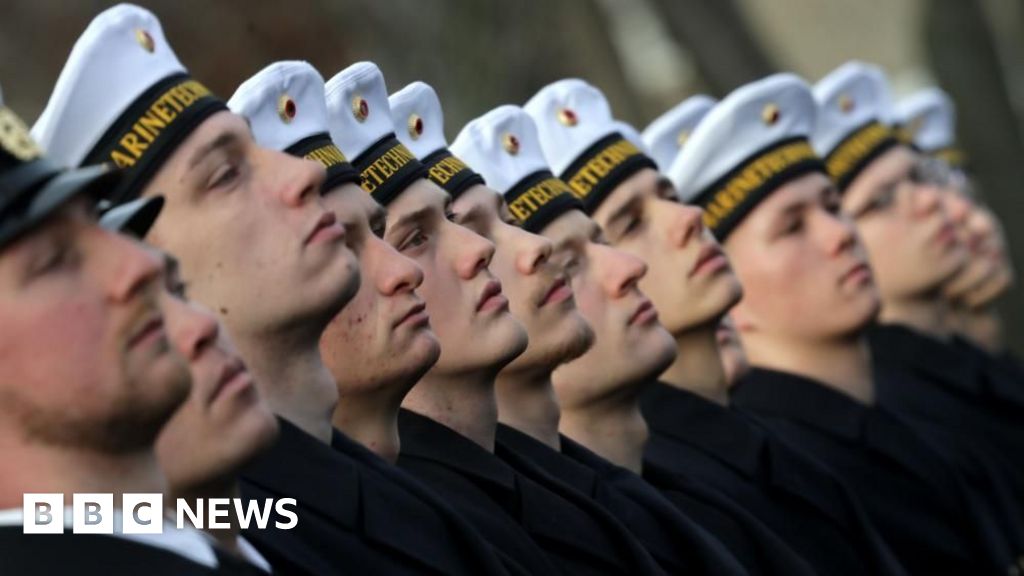
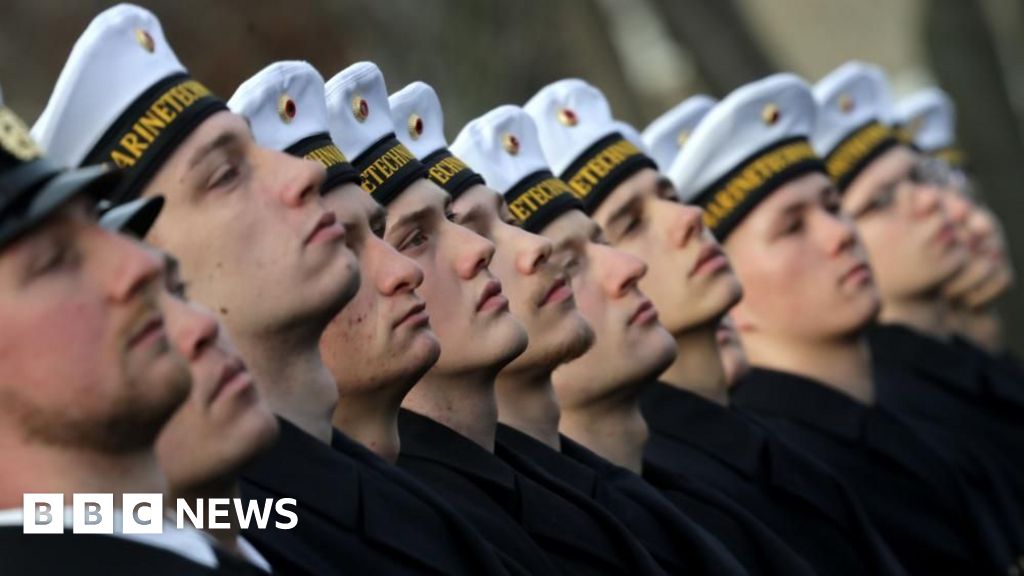
The Bundestag, Germany’s legislature, has approved the initiation of voluntary military service, a decision intended to enhance national defense following Russia’s extensive invasion of Ukraine.
This represents a notable change in Germany’s military strategy and comes after Chancellor Friedrich Merz’s initiative to establish the most formidable conventional army in Europe.
As a result, all individuals aged 18 in Germany will receive a questionnaire starting January 2026, inquiring about their interest and willingness to enlist in the military. This form will be compulsory for men and optional for women.
Students in educational institutions throughout Germany have announced their intention to participate in strikes across up to 90 cities on Friday to oppose this policy.
Many young Germans are either against the new legislation or express doubt regarding it.
“We do not wish to spend six months confined in barracks, undergoing drills and training in obedience while learning to kill,” stated the protest organizers in a social media announcement.
“War brings no future and devastates our livelihoods.”
In Hamburg, approximately 1,500 demonstrators were anticipated, and school principals advised parents against withdrawing their children from classes for the day.
German legislators voted 323 to 272 in favor of the amendment, positioning their nation as the latest European state to reinstate a version of military service.
Last month, France announced the introduction of ten months of voluntary military training for those aged 18 and 19.
The administration asserts that military service will remain voluntary for the foreseeable future; however, starting July 2027, all males who turn 18 will be required to undergo a medical evaluation to determine their potential for military service.
Universal health check-ups are essential, according to Defence Minister Boris Pistorius, so that in case of an attack, Germany would not waste time identifying “who is capable of serving as a defender of the homeland and who is not”.
The Bundeswehr, Germany’s military forces, currently consists of around 182,000 personnel, and Pistorius aims to expand that figure by 20,000 over the coming year.
The long-range goal is to increase the numbers to 260,000 by the early 2030s, together with about 200,000 reservists, to fulfill new Nato force requirements and enhance Germany’s defense capabilities.
While the intention is to maintain voluntary service, a form of mandatory military duty could be contemplated by the Bundestag if the security climate deteriorates or if there are insufficient volunteers.
In the event of war, the military would be able to utilize the questionnaires and medical assessments for potential recruits.
Similar to other European nations, Germany downsized its military during the peaceful years of the 1990s; it had a force of nearly half a million during the Cold War.
Mandatory military service in Germany was abolished in 2011 under the administration of former Chancellor Angela Merkel.
Yet, facing perceived threats from Russia and mounting pressure from Germany’s longstanding ally, the US, Friedrich Merz has committed to revitalizing the Bundeswehr into Europe’s most powerful conventional army.
Nato allies are experiencing pressure from US President Donald Trump’s administration to elevate their defense spending.
Incentives for enlisting are notably appealing, with a guaranteed salary of approximately €2,600 monthly; in France, volunteers are guaranteed at least €800 (£700) each month.
On the same Friday, the Bundestag was also scheduled to vote on a controversial pension reform bill that will maintain the state pension at current rates until 2031.
This legislation is a crucial component of the coalition agreement between Merz’s conservatives and their center-left allies, the Social Democrats, who hold a slim governing advantage of just 12 votes.
However, doubts arose regarding its passage in parliament, as younger members of Merz’s party hinted at a potential revolt, arguing that the plan is financially unsustainable and will impose undue burdens on future generations.
Nevertheless, Germany’s far-left opposition party, the Left party, declared it would abstain from the vote, meaning the coalition requires fewer votes for approval and therefore alleviates concerns about possible dissenters within its own ranks.
A governmental crisis may have been narrowly averted.
