
Astronomers will be notified of astronomical occurrences within moments of their discovery.
Astronomers will be notified of astronomical occurrences within moments of their discovery.


The Vera C. Rubin Observatory’s automated notification system is operational and is already flooding astronomers with various celestial phenomena to observe in the night sky. The system was publicly launched on Tuesday, February 24th, and on its inaugural night, it sent out around 800,000 notifications concerning meteoroids, supernovas, and ravenous black holes. And it is anticipated that this figure will only increase to several millions nightly.
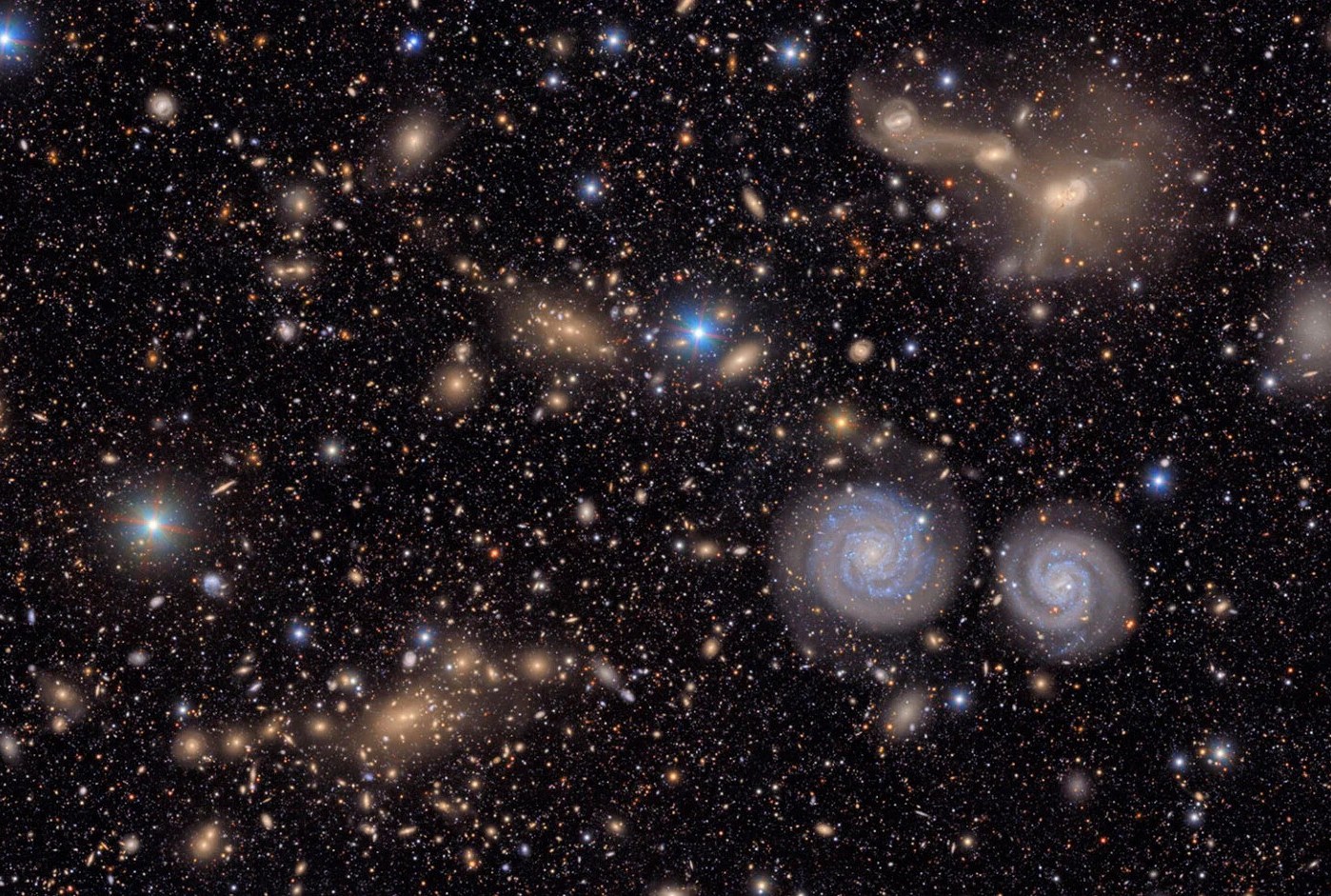
The observatory unveiled the initial images produced by its car-sized Legacy Survey of Space and Time (LSST) camera in June of the previous year. However, researchers and star enthusiasts have been eagerly waiting for the implementation of this system. Each night, the camera captures approximately 1,000 photographs and then compares them against a baseline image taken when the telescope first became active. Variations are automatically noted, and an algorithm can differentiate between likely supernovas and incoming meteoroids to send alerts to interested observers, all within mere minutes. This enables scientists to rapidly focus on transient celestial occurrences.
Fortunately, the notifications are not an all-or-nothing format. They can be customized by type of event, brightness, or the count of events occurring within a specific timeframe. This should assist in preventing researchers from being inundated with notifications as the Rubin Observatory accelerates the pace of discoveries.
