
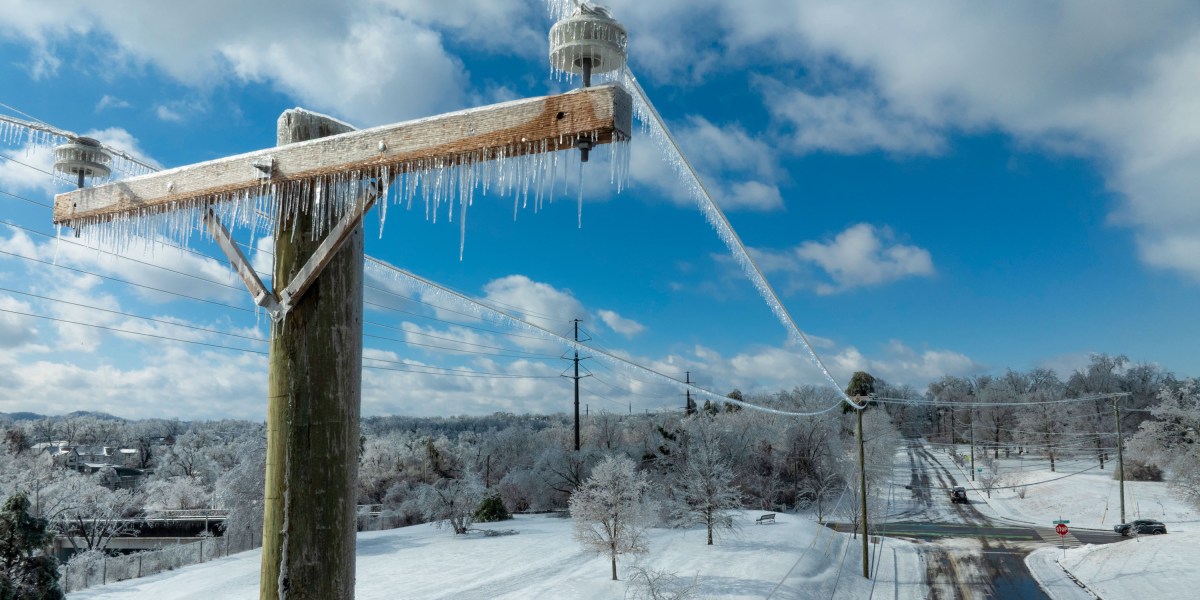

The eastern region of the US experienced a colossal snowstorm over the past weekend. The positive aspect is that the grid has generally managed to cope with the low temperatures and heightened demand. However, signs of stress were evident, especially among fossil-fuel power plants.
One study indicated that PJM, the largest grid operator in the country, experienced substantial unplanned outages in natural gas and coal plants. Traditionally, these facilities tend to struggle under severe winter conditions.
A large portion of the nation is still grappling with unprecedented low temperatures, with the risk of further snowfall anticipated this weekend. What insights can we gain from this storm, and how can we bolster the grid to manage extreme weather events more effectively?
Residing in New Jersey, I am proud to be among the approximately 67 million Americans served by the PJM Interconnection.
This past weekend, I was right in the middle of the action as PJM faced unplanned outages of over 20 gigawatts on Sunday during the peak of the storm. (This accounts for about 16% of the grid’s demand that afternoon.) Other facilities were able to compensate for this loss, and fortunately, my area did not experience a power outage. Still, that’s a significant amount of capacity offline.
Usually, the grid operator does not disclose details regarding the cause of an outage until later. However, researchers at Energy Innovation, a firm focused on energy and climate policy, conducted an investigation. By analyzing publicly accessible grid mix data (which details the types of power plants supplying the grid), they arrived at a critical conclusion: Fossil fuels underperformed during the storm.
The researchers found that gas-fired plants generated approximately 10 gigawatts less power on Sunday compared to peak demand on Saturday, even when electricity prices were elevated. Coal and oil-burning plants also faced reductions. Since these plants were offline despite high prices that would typically render operation profitable, they likely contributed significantly to the issue, according to Michelle Solomon, a manager at Energy Innovation’s electricity program.
PJM intends to provide further information about the outages during an upcoming committee meeting after the cold weather concludes, Dan Lockwood, a PJM spokesperson, informed me via email.
Fossil-fuel facilities can face reliability issues during winter: As temperatures decline, pressures in natural gas lines also drop, potentially leading to supply challenges. Below-freezing temperatures can disrupt compression stations and other mechanical components and even cause coal piles to freeze.
One of the most striking incidents occurred in 2021 when Texas encountered frigid temperatures that caused many power plants to shut down, plunging the grid into turmoil. Numerous homes were without power for days, and at least 246 fatalities were reported during that event.
Texas performed significantly better this time. Following the 2021 crisis, the state reinforced its grid by implementing winter weatherization for its power plants and transmission networks. Additionally, Texas has witnessed a substantial increase in battery installations, which have greatly aided the grid during peak winter demand, particularly in the early morning hours. Moreover, Texas was simply fortunate that this storm was milder there, as one expert communicated to Inside Climate News this week.
On the East Coast, we have not yet navigated clear waters. Although the snowfall has ceased, demand for electricity remains elevated due to freezing temperatures. (I’ve certainly been appreciating my heated blanket during these past few days.)
PJM could face peak power demand of 130 gigawatts for seven consecutive days, a situation that the local grid has never encountered, according to updates on the utility’s site from Tuesday morning.
The US Department of Energy issued emergency orders to various grid operators, including PJM, permitting power plants to operate with minimal regard for emissions regulations. The department also authorized several grids to instruct data centers and other facilities to activate backup generators. (This is beneficial for reliability but detrimental for air quality and the climate, as these power sources often generate significant emissions.)
We on the East Coast could glean valuable lessons from Texas to avoid relying on these polluting emergency strategies to maintain power supply. Increased energy storage could be crucial during future winter storms, offering flexibility to the grid to endure challenging periods, Solomon suggests. Accelerating the deployment of offshore wind could also provide assistance, as these sources generally yield consistent power throughout the winter months.
No single energy source can resolve the colossal task of constructing and upholding a resilient grid. However, as we confront the ongoing risk of severe storms, renewable energy could indeed bolster our ability to withstand them.
This article originates from The Spark, MIT Technology Review’s weekly climate newsletter. To receive it in your inbox every Wednesday, sign up here.
