
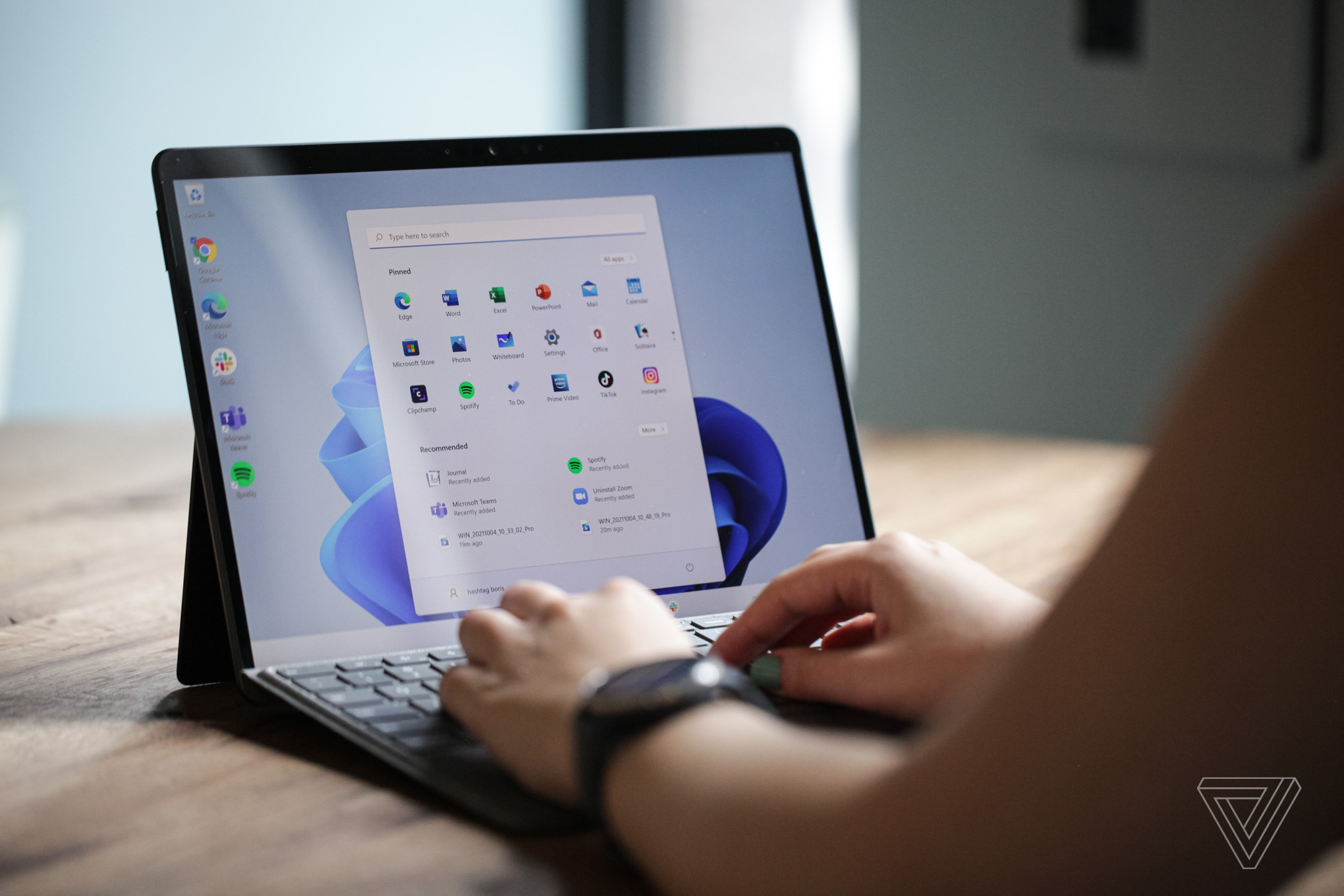
Later this year, a more compact taskbar will also be introduced.
Later this year, a more compact taskbar will also be introduced.


After nearly five years, Microsoft is at last reinstating the capability to relocate the Windows taskbar to the top or sides of your display. This movable taskbar is part of a series of significant updates coming to Windows 11 this year in response to increasing criticism of the system’s performance, dependability, and user interaction.
“Changing the taskbar’s position is one of the most requested features we’ve heard from you,” states Windows chief Pavan Davuluri. “We are bringing the option to place it at the top or sides of your display, allowing for greater customization of your workspace.”
This modification to the taskbar will be released to Windows Insiders in the upcoming weeks before being made available to all Windows 11 users later this year. Additionally, Microsoft is planning to introduce a smaller taskbar as an option later this year.
For many years, Windows has featured a movable taskbar, but Windows 11 eliminated this feature at its launch in 2021. I initially disliked the new Windows 11 taskbar for its lack of features such as showing the time and date on multiple screens, smaller icons, and the ability to adjust the taskbar’s position. This taskbar was poorly received because Microsoft redesigned it for Windows 10X, originally intended to operate on dual-display devices, before being altered for Windows 11 aimed at laptops.
Microsoft has been progressively restoring most beneficial aspects of the Windows 10 taskbar, and it recently began testing a calendar agenda view in the notification center of Windows 11. This feature was also omitted from Windows 11, despite being part of Windows 10.