
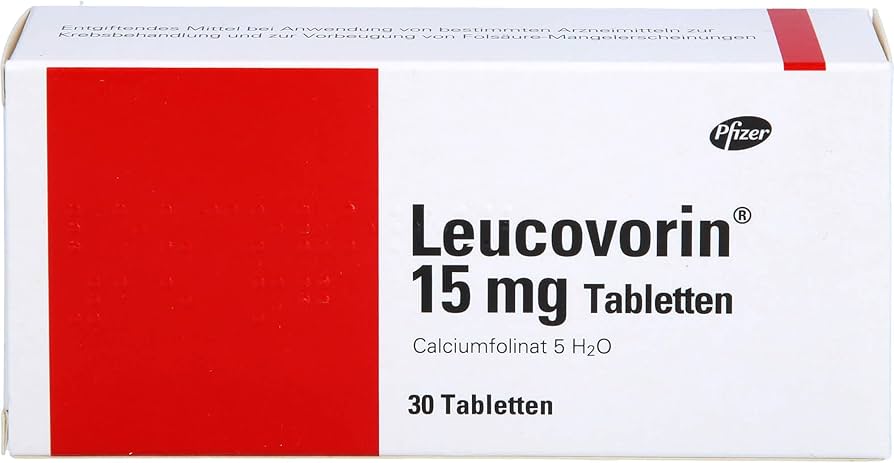

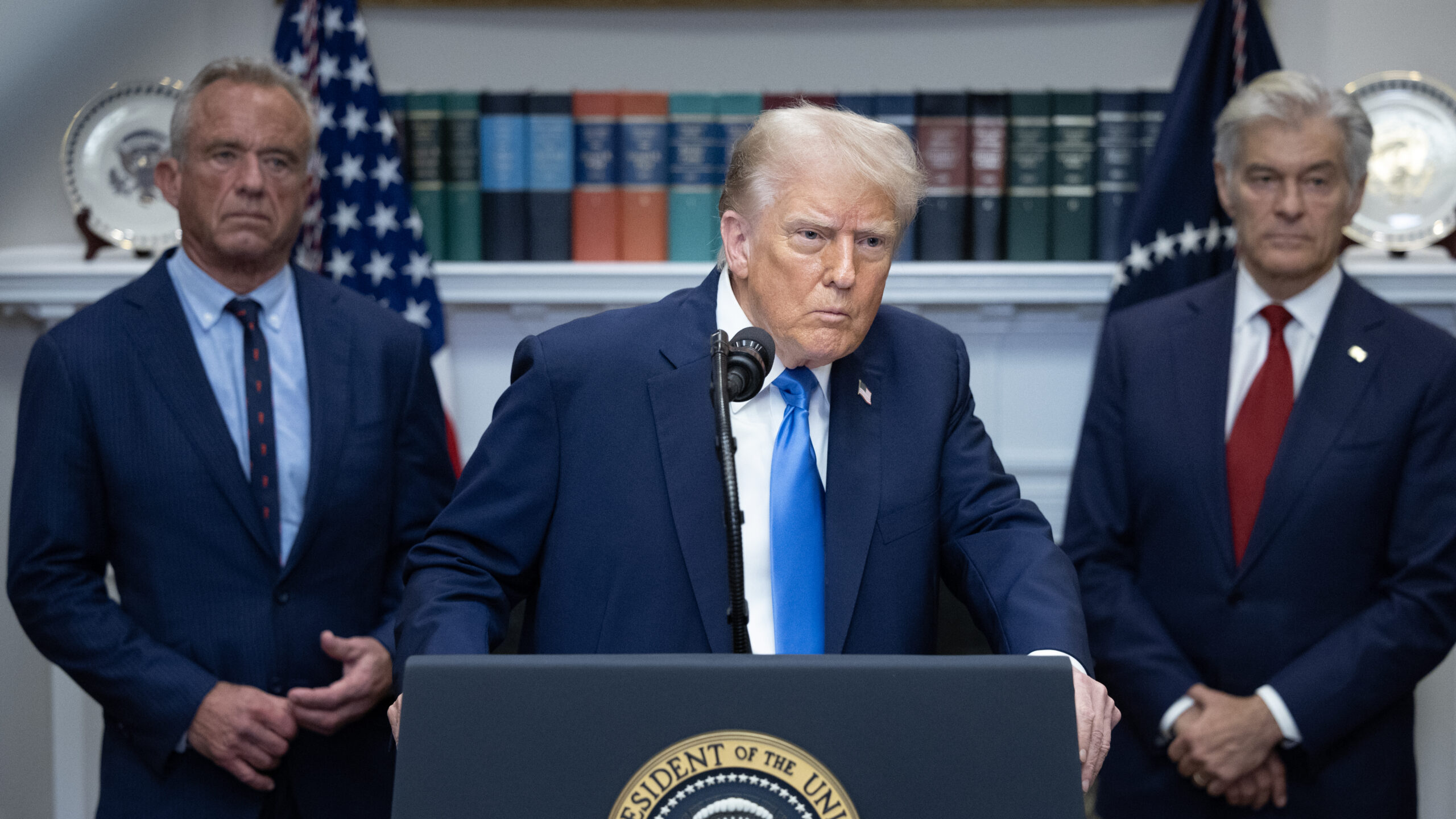
In September, the Trump administration announced what it called “bold actions” on autism that involved promoting the generic drug leucovorin as a potential therapy. In a news release, Marty Makary, commissioner of the Food and Drug Administration, asserted a “growing body of evidence suggests” the medication could be useful. And at a White House press event, Makary suggested it might help “20, 40, 50 percent of kids with autism.”
“Hundreds of thousands of kids, in my opinion, will benefit,” he said later in the event.
The strong statements apparently had an effect. A study published in The Lancet last week found that new outpatient prescriptions of leucovorin for children aged 5 to 17 increased 71 percent in the three months following the Trump administration’s actions.
But it became clear today that other parts of the FDA did not share Makary’s and other administration officials’ perspective. In an announcement, the agency said it had approved leucovorin for a rare genetic condition—but not for autism.
In comments to the Associated Press, senior FDA officials said they found little evidence to support expanding the drug’s use to autism and therefore narrowed its review to treating the rare genetic disorder cerebral folate deficiency (CFD) in adults caused by a mutation in the folate receptor 1 gene (CFD-FOLR1).
