
“Taking advantage of scarcity is not ethical,” the WHO said in its statement today.
Perilous study
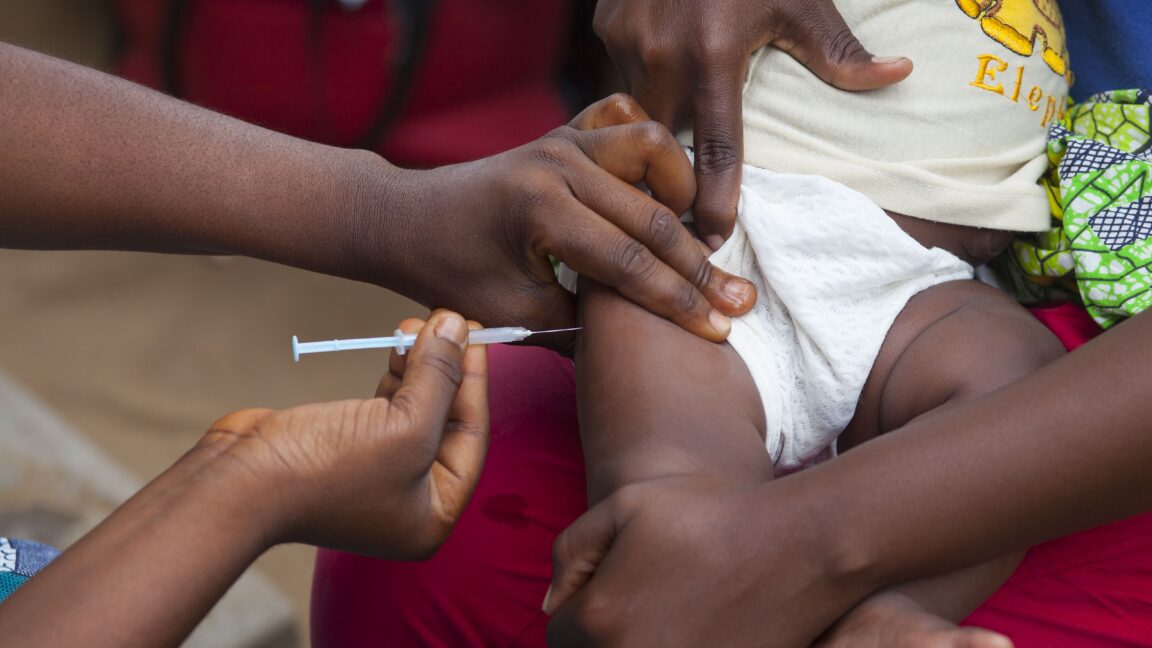
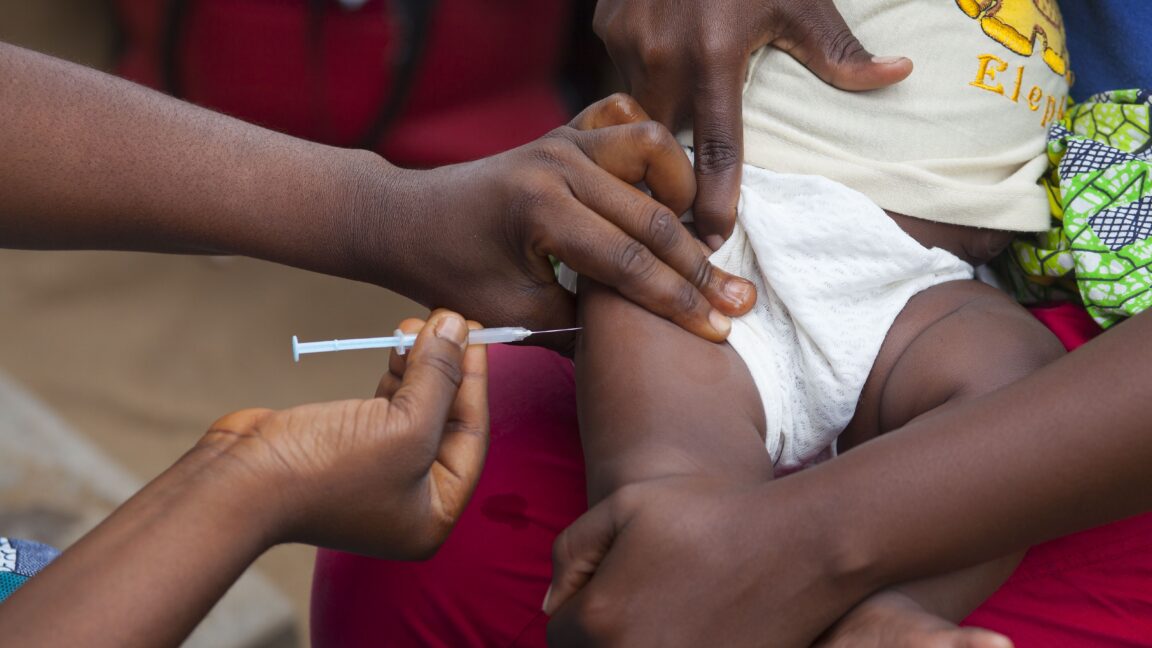
The United Nations health agency emphasised that the hepatitis B vaccine given at birth is “an effective, and essential public health intervention” that has “been used for over three decades, with more than 115 countries including it in their national schedules.”
“It prevents life‑threatening liver disease by stopping mother‑to‑child transmission at birth,” the WHO noted, adding that over 12 percent of adults in Guinea-Bissau have chronic hepatitis B.
Under the subheading “Why withholding the vaccine is unethical,” the WHO details why the trial poses serious dangers.
“Based on publicly available descriptions, the [trial] protocol does not seem to provide even minimal measures to reduce harm or offer benefit to participants (for example, screening pregnant women and immunising newborns exposed to hepatitis B),” the WHO wrote.
As a demonstrated lifesaving intervention, denying the vaccine to some participants would put newborns at risk of severe and possibly irreversible outcomes, including chronic infection, cirrhosis, and liver cancer, the WHO contends. There is no scientific rationale for withholding a proven intervention, nor is there credible evidence supporting the safety concerns Benn and colleagues say the trial aims to investigate. The WHO also pointed out that publicly available details indicate the study is planned as single‑blind with no-treatment controls, which “creates a significant chance of substantial bias, reducing the interpretability of the findings and their value for policy.”
At present, the study appears to be suspended. Nature News reported that during a January 22 press briefing, health officials in Guinea-Bissau said a technical and ethical review was underway. “There has been no sufficient coordination in order to take a final decision regarding the study,” Quinhin Nantote, the country’s minister of public health, said. “Faced with this situation, we decided to suspend it.”
Earlier, the Africa Centres for Disease Control and Prevention suggested the trial would not proceed. However, the US Department of Health and Human Services issued a statement saying it was “proceeding as planned.”