
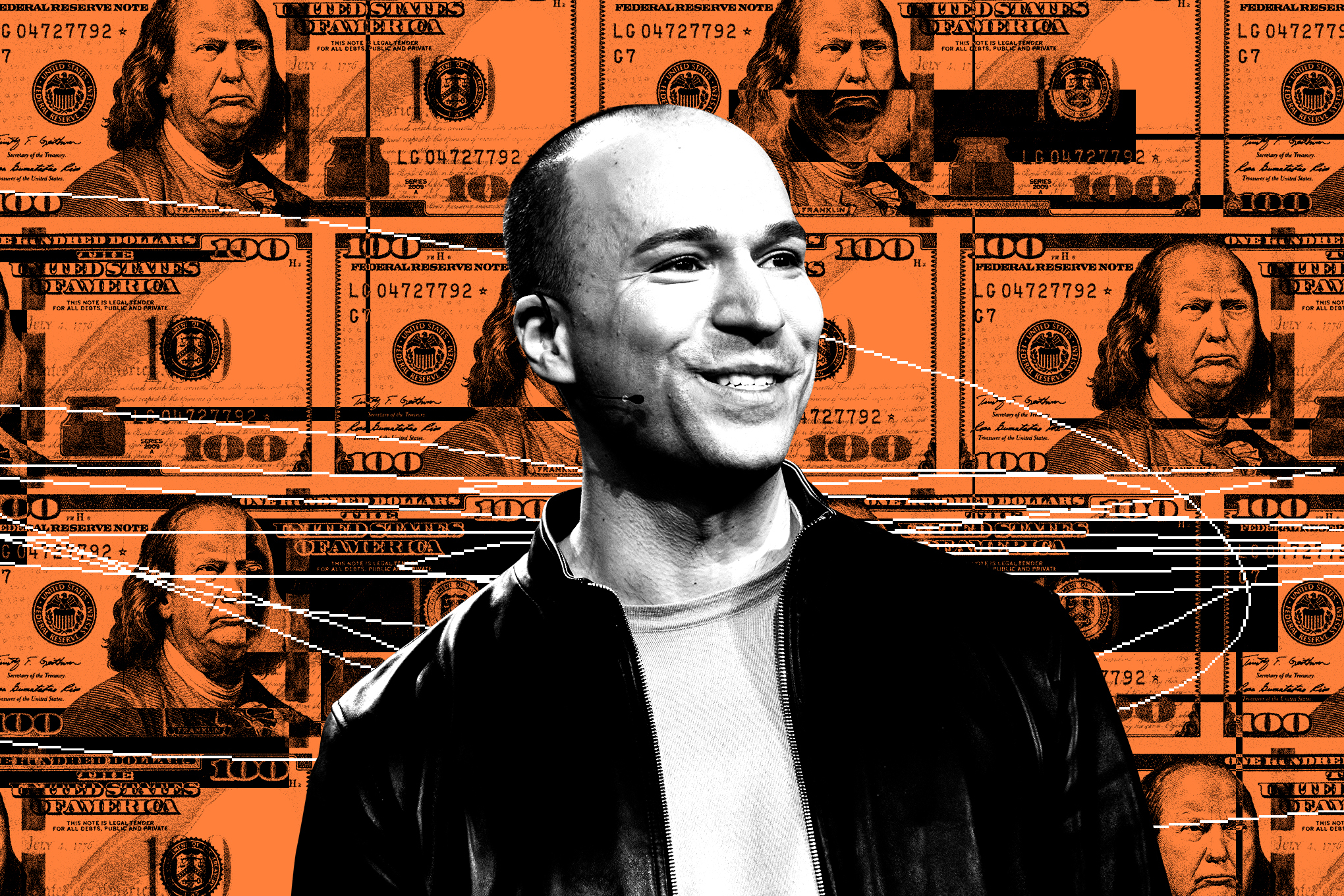
Greg Brockman remarked that he began “getting politically engaged” in 2025.
Greg Brockman remarked that he began “getting politically engaged” in 2025.


OpenAI’s co-founder and veteran president, Greg Brockman, didn’t merely make a standard contribution to the principal pro-Trump super PAC — in total, he and his wife Anna’s donations in September 2025 amounted to the highest of all, reaching $25 million for “MAGA Inc.,” according to a recent filing. The Brockmans’ donations accounted for nearly 25% of the six-month fundraising cycle.
This is the latest in a series of instances where tech executives are aligning closely with President Trump’s administration, occurring as the administration seeks to robustly support the AI sector and curtail state-level regulations that firms such as OpenAI have largely opposed. OpenAI has not responded immediately to a request for commentary.
Brockman’s substantial donation isn’t the only instance of him investing heavily, in his own name, towards lobbying initiatives aimed at dismantling prospective AI industry regulation. The pro-AI super PAC “Leading the Future,” which counts Brockman as a major supporter, has run ads targeting New York State Assemblymember Alex Bores — a co-sponsor of New York’s RAISE Act, which was diluted at the last moment following orchestrated lobbying endeavors.
Although the news of the Brockmans’ contributions was first revealed earlier this month, it has stirred renewed conversation online following the recent passing of Alex Pretti in Minneapolis, where federal agents have fatally shot two individuals during an anti-immigrant operation. Tech workers from across the sector, including several employees at OpenAI, have signed a letter urging their CEOs to terminate all contracts with Immigration and Customs Enforcement (ICE) and publicly denounce the agency’s actions. “When Trump threatened to deploy the national guard to San Francisco in October, leaders from the tech industry contacted the White House,” the petition’s website asserts. “It was effective: Trump retreated. Today, we’re asking our CEOs to call again.”
Nevertheless, since Trump took office, tech executive after tech executive has contributed to his inauguration fund, visited Mar-a-Lago for meetings with him, or attended White House dinners alongside him. In return, they have received an administration keen on rescinding consumer protections and technology regulations. Trump’s AI Action Plan revived a failed Republican initiative to prevent states from implementing AI regulations, to the satisfaction of tech leaders delighted. The new provision indicates that “AI is far too critical to be stifled by bureaucratic processes at this early phase” and that the government “should not permit AI-related federal funding to be directed toward states imposing burdensome AI regulations that squander these funds,” while also stating that it “should not obstruct states’ rights to enact sensible laws that do not unduly hinder innovation.” Targets of the moratorium encompass SB 53, the pivotal AI transparency legislation California Governor Gavin Newsom enacted in September despite significant lobbying efforts against it from various tech companies, including OpenAI.
In 2019, Brockman co-authored a blog entry regarding the challenges of “altering powerful systems … once they’ve been deployed,” emphasizing the necessity to tackle AGI’s safety and policy challenges before its creation. Six years later, his writings have evolved in tone, stressing the significance of “approaching emerging technology with a mindset focused on growth.” In a New Year’s Eve post on X, Brockman announced that “this year, my wife Anna and I commenced getting politically involved, including through political donations, reflecting support for policies that foster American innovation and constructive communication between government and the tech industry.” He concluded that “it’s been wonderful to observe the president’s and his administration’s readiness to engage with the AI community directly.”
