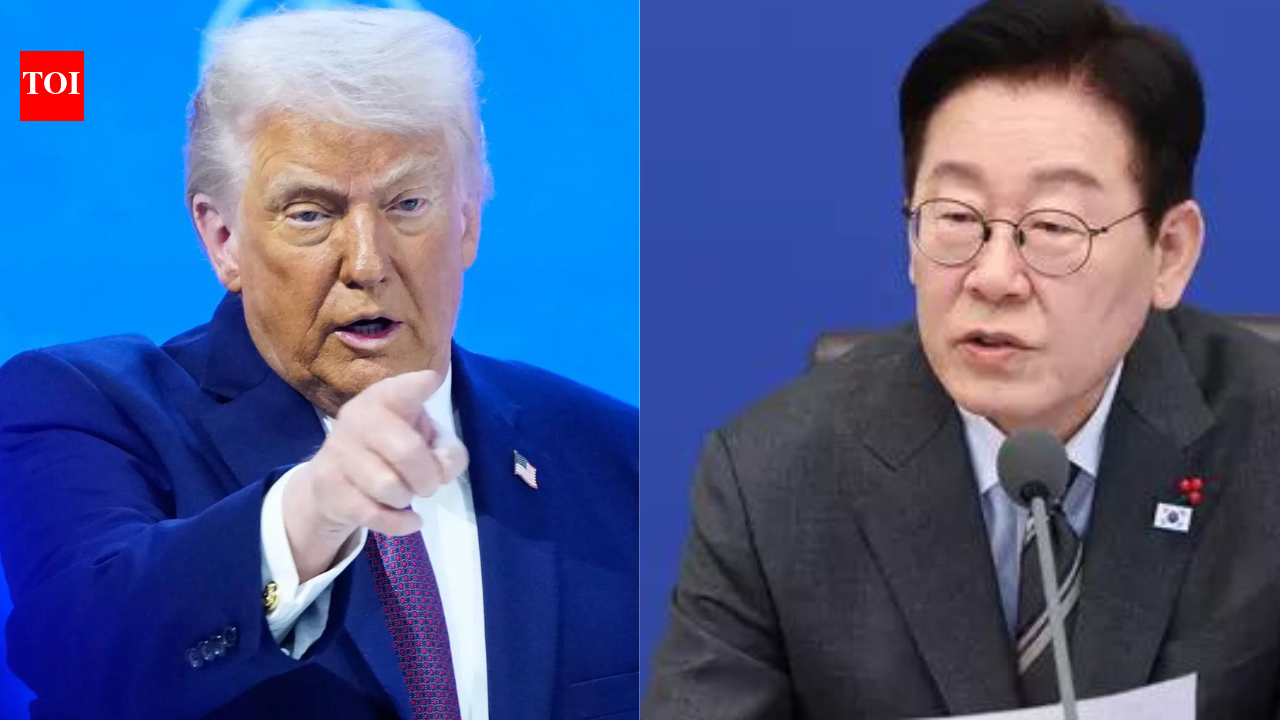
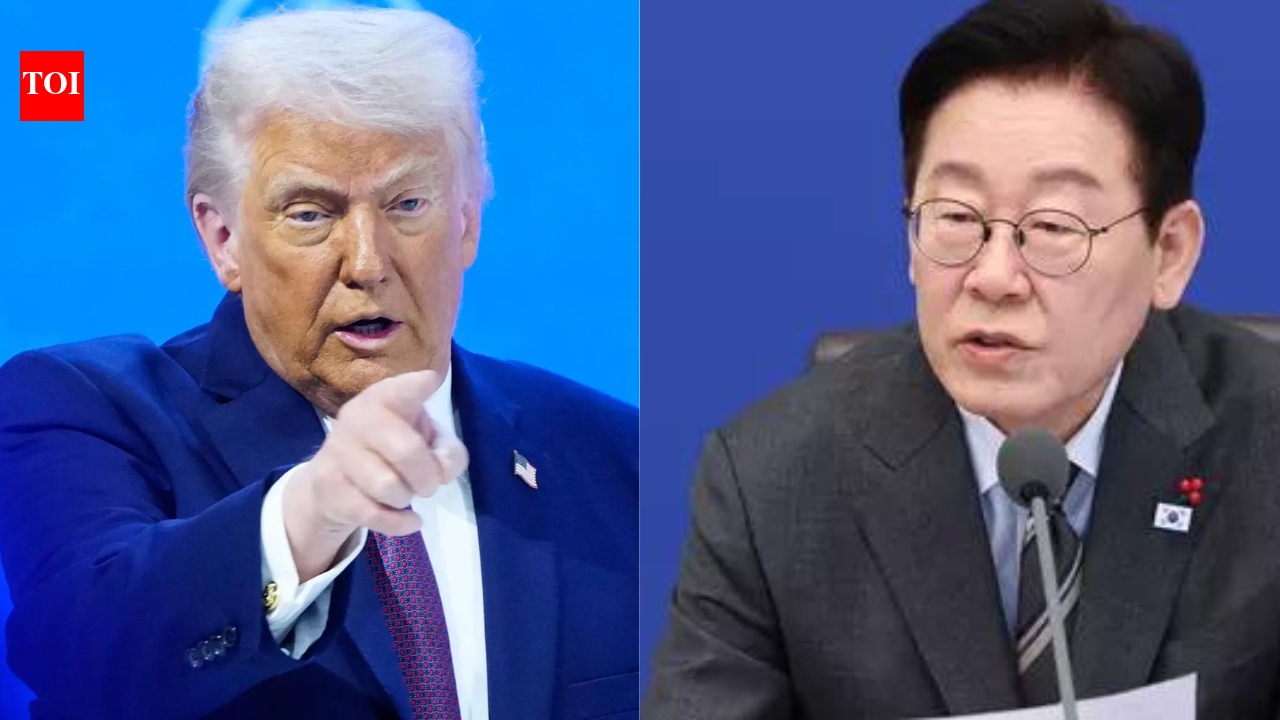
The Democratic Party of South Korea announced that it will pass a specific act related to the U.S. trade agreement by the end of February, as reported by Yonhap, following U.S. President Donald Trump’s threat to increase tariffs on South Korean exports.
Earlier on Tuesday, Trump declared he would elevate tariffs on South Korean exports to 25% from the existing 15%, citing delays in the approval of the Washington-Seoul trade deal by the country’s parliament, which was agreed last July.
The spokesperson for the ruling Democratic Party, Kim Hyun-jung stated that Trump was likely alluding to the Special Act on Strategic Investment Management between Korea and the U.S., according to a Google translation of the statement in Korean, presented to the country’s parliament last November.
The proposed legislation aims to create a state-operated investment corporation to oversee Seoul’s anticipated $350 billion investment commitment to Washington.
Kim mentioned that five related bills have been presented to the National Assembly, with plans for review, emphasizing that “the fact that both the Democratic Party of Korea and the People Power Party have put forth these bills will likely hasten their approval.”
The ruling DP currently has 162 seats in the 300-seat National Assembly with four open seats, while the PPP holds 107.
“What is needed now is to swiftly validate the intent and details of the U.S. statement and rectify any misunderstandings,” she added.
The presidential office of South Korea stated that it convened a meeting to assess and deliberate responses to Trump’s announcement on Tuesday, reaffirming its commitment to executing the tariff agreement.
Earlier that day, the office indicated that they had not received any official notification or clarification from the U.S. concerning the announcement, as reported by local media outlet Yonhap.
South Korea’s finance ministry confirmed it would keep the U.S. updated on the legislative developments, while the trade ministry announced that industry minister Kim Jung-kwan would travel to Washington for discussions on the issue, Yonhap reported.
“It is imperative for the government and both the ruling and opposition parties in the National Assembly to unite. I anticipate the People Power Party’s cross-party collaboration,” Kim expressed.
Following Trump’s threats, South Korean automakers Hyundai and Kia saw a drop in early trading but later reduced their losses. Hyundai was last down by 0.1%, while Kia fell 1.16%. The overall Kospi index increased by 1.9%, and the small-cap Kosdaq index rose by 0.89%.