

According to Bloomberg, Apple’s upcoming foldable iPhone will replace Face ID with Touch ID in order to support a more streamlined front display.
According to Bloomberg, Apple’s upcoming foldable iPhone will replace Face ID with Touch ID in order to support a more streamlined front display.


The anticipated foldable iPhone from Apple will feature an interface reminiscent of the iPad, allowing users to arrange applications side by side, as reported by Mark Gurman at Bloomberg. Gurman further reveals that the outer display will be roughly the size of a compact iPhone. Meanwhile, the inner display is expected to have a broader aspect ratio, akin to Google’s first-generation Pixel Fold, differing from the foldable flagship models currently available such as the Pixel Fold 10 and Galaxy Z Fold 7.
Although the redesigned layout may facilitate multitasking, Gurman indicates that the foldable iPhone will not support current iPad applications. Nevertheless, Apple reportedly aims to leverage the phone’s larger display area by refreshing its “core” applications with a sidebar placed on the left side of the interface. Additionally, developers will have opportunities to adapt the iPhone versions of their apps to be more akin to iPad versions, per Gurman.
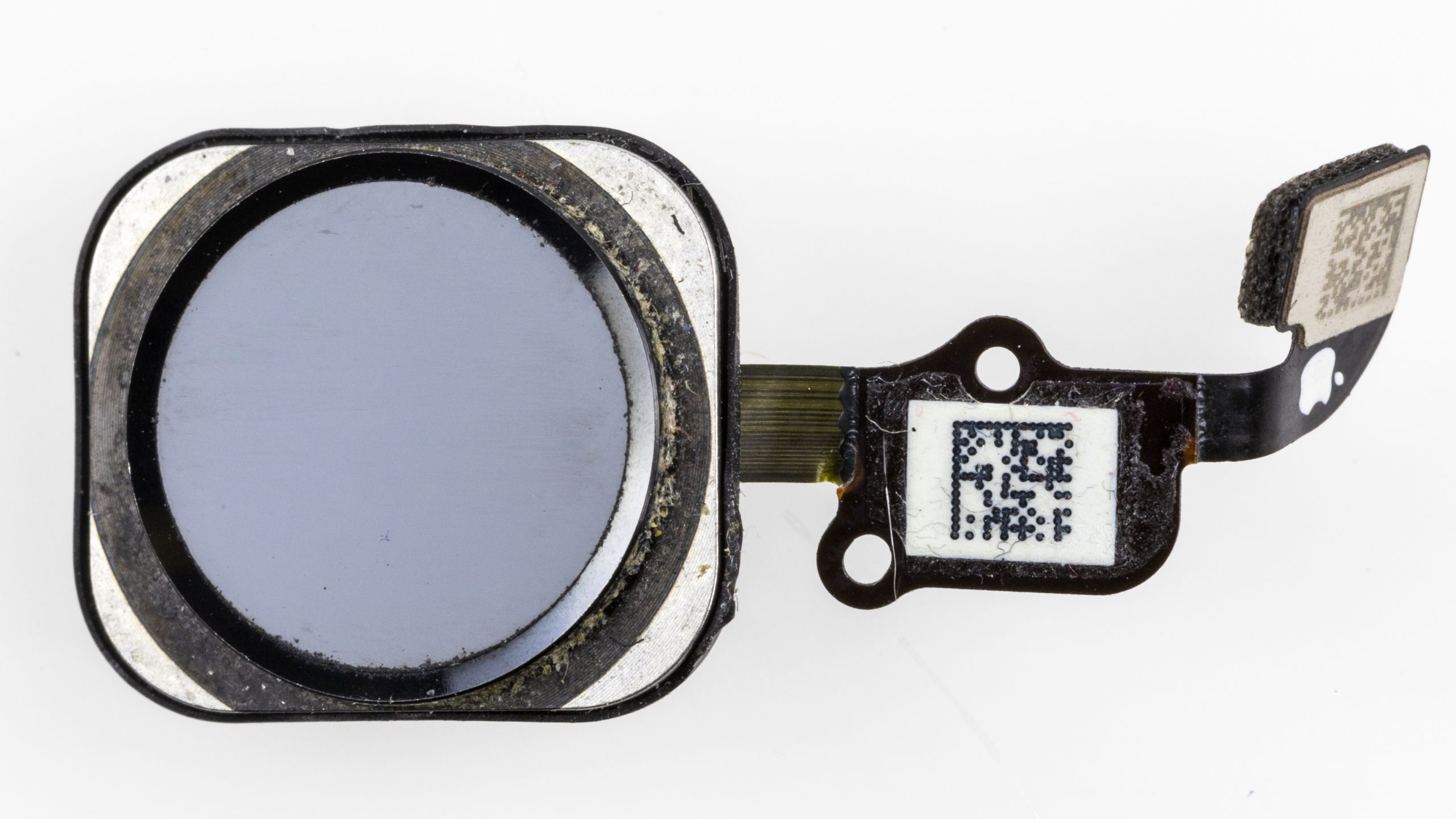
Instead of Face ID, the foldable iPhone might incorporate Touch ID into the device’s side button since “the front panel is too slim for the Face ID sensor array,” according to Gurman. This implies that instead of the pill-shaped casing for Face ID and the front-facing camera, Apple will likely opt for a small hole-punch camera. Gurman previously reported that the foldable design might resemble two iPhone Airs merged together.
Even without the pill-shaped cutout, Gurman asserts that the folding iPhone will still feature Apple’s Dynamic Island functionality, which allows users to track real-time updates. The device is also expected to include two rear cameras and retail for approximately $2,000.