

Nobody on the ground has ever been hurt by falling space debris, though there have been instances of space junk damaging property.
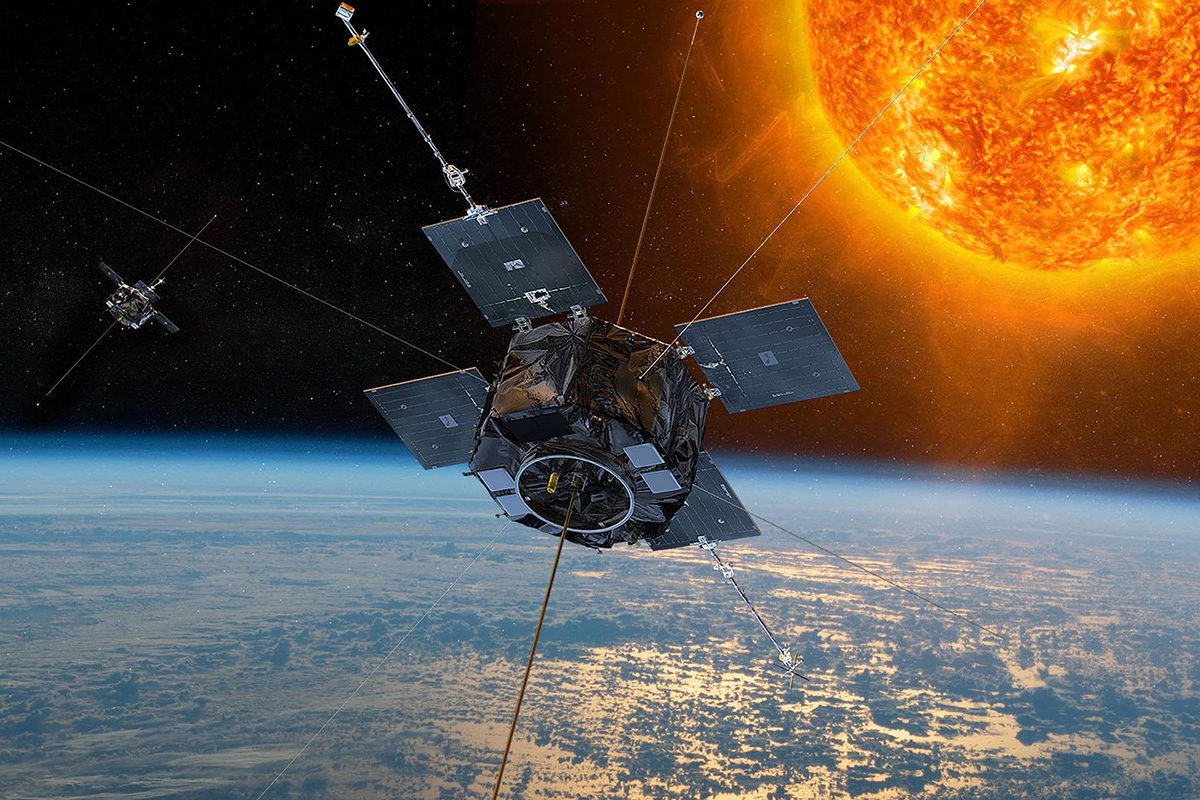
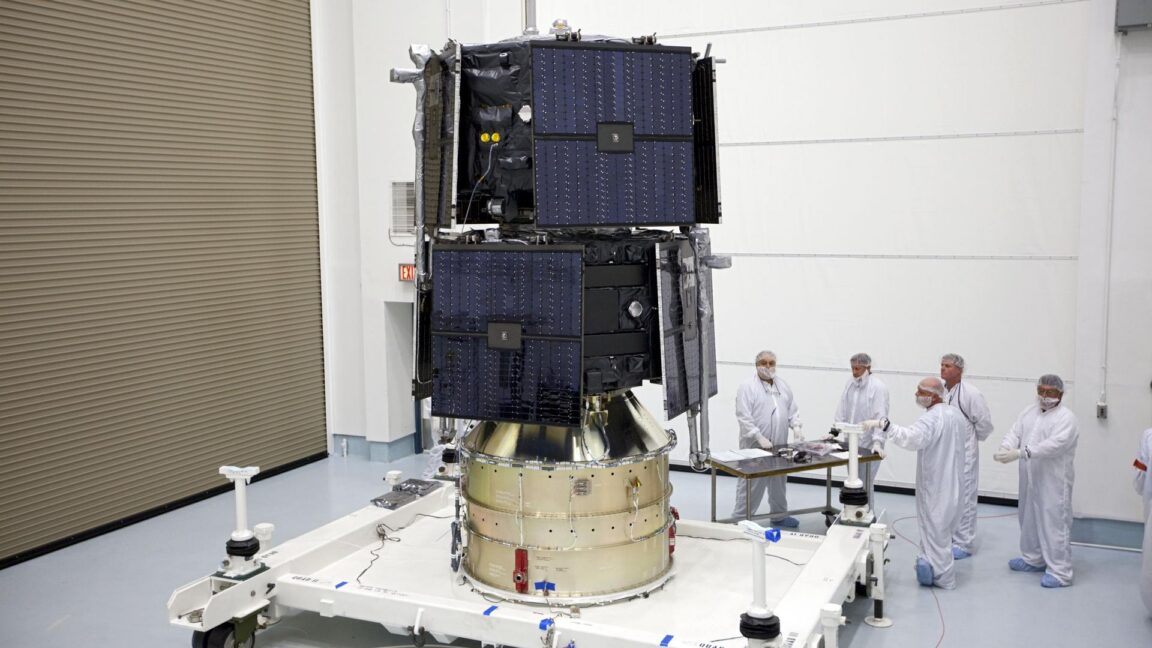
NASA’s pair of Van Allen Probes were placed in elliptical orbits that stretched from a few hundred miles above Earth to an apogee—its highest point—of almost 20,000 miles. Their orbital inclination of 10 degrees to the equator confined the potential for harm or damage to a band across the tropics. The mission concluded in 2019 when the spacecraft exhausted their fuel.
At the time, engineers anticipated the spacecraft would reenter in 2034. However, stronger-than-expected solar activity caused the atmosphere to expand, raising atmospheric drag on the satellites above original projections, according to NASA. Van Allen Probe B is now forecast to reenter no earlier than 2030, presenting a comparable risk to the public.
Both spacecraft were constructed by the Johns Hopkins University Applied Physics Laboratory. NASA says the mission yielded several key discoveries, including “the first data showing the existence of a transient third radiation belt, which can form during times of intense solar activity.”
A number of NASA satellites have returned to the atmosphere without meeting the government’s risk threshold. For example, the Rossi X-ray Timing Explorer reentered in 2018 with a 1-in-1,000 probability of injuring someone on the ground; no injuries occurred. RXTE was launched in 1995, only four months before NASA released its initial standard on orbital debris mitigation and reentry risk management.
Although NASA has at times fallen short of its own standards, the US government is not the biggest offender regarding uncontrolled reentries. Between 2020 and 2022 China launched four Long March 5B heavy-lift rockets and left their massive core stages in orbit to return to Earth. Each abandoned core, weighing nearly 24 tons, reentered uncontrolled. Two of those cores deposited debris on land—in the Ivory Coast and in Borneo—but no one was injured.