

James Vandall, 25, shared that his curiosity in entering the electrician field ignited, if you’ll pardon the expression, when workers were recently updating the wiring on his home’s third floor. “I inquired about how to pursue that occupation,” he remarked.
He mentioned that part of the appeal was the hands-on work. “At first, I wasn’t certain about my career path. I attended college and ended up leaving,” he recounted. “I kind of drifted from one job to another over the years until I finally settled on the trades.”
Vandall is currently a student at Rosedale Technical College in Pittsburgh. Typically, after completing the 16-month program, the school’s job placement service effectively positions students directly into roles in their field — a feat that is becoming increasingly rare in today’s job market.
An impending jobs crisis
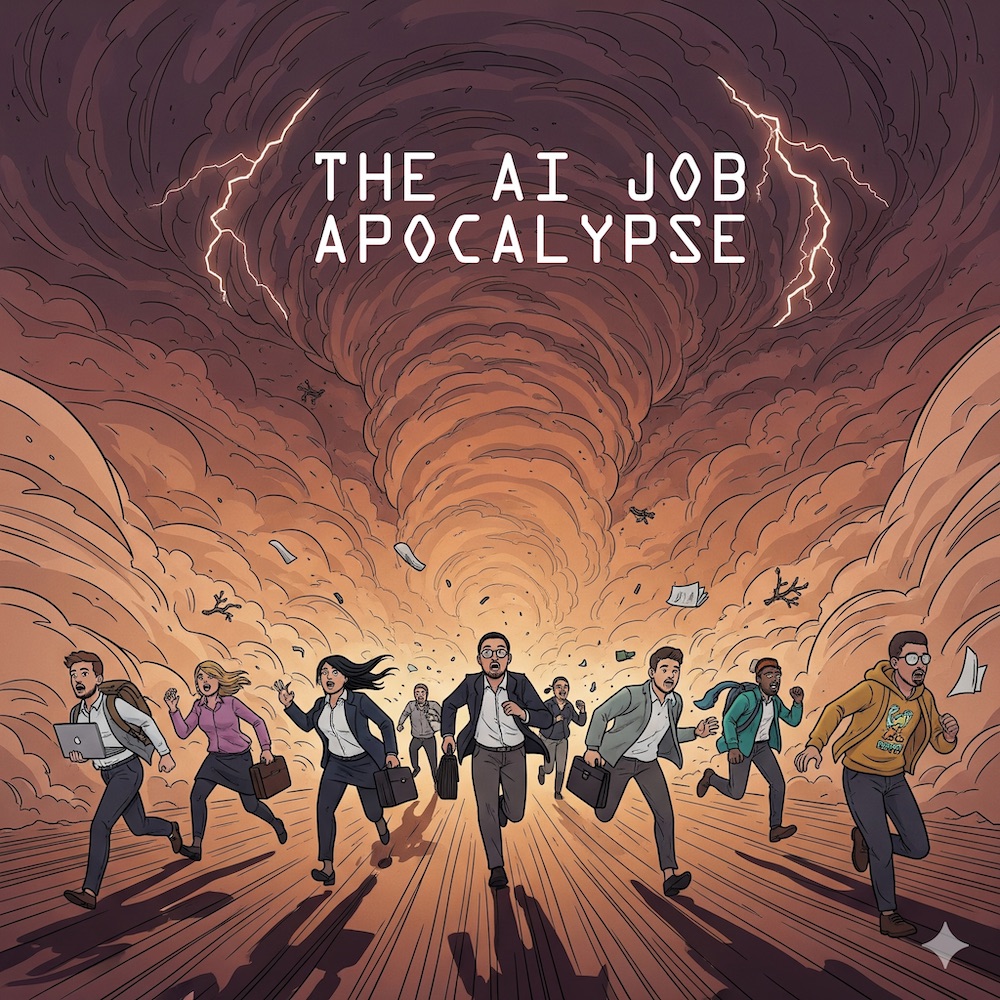
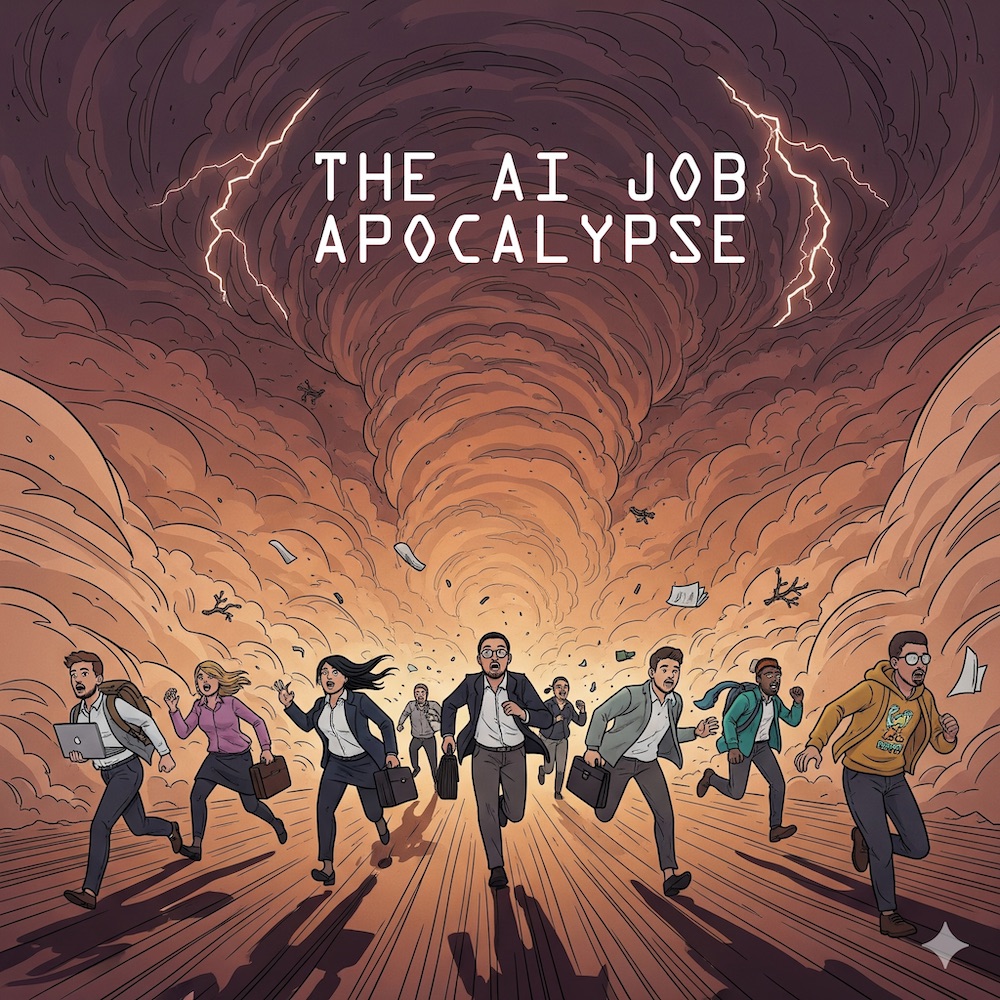
As progress in artificial intelligence alters the labor market, the availability of entry-level roles for graduates has diminished. Numerous large corporations have declared significant layoffs, and some analysts suggest this marks the onset of an AI-induced, white-collar downturn or even a jobs crisis.
The concern is that as AI technology advances, organizations will require fewer employees, leading to an uptick in white-collar job terminations, thus creating a “vicious cycle with no inherent limit,” as noted in Citrini Research’s recently released report.
Simultaneously, a deficit of skilled trades professionals, primarily due to the retirement of seasoned workers, is not only increasing the job openings in various sectors but also elevating wages.
Positions in skilled trades “are often overlooked and are resistant to AI influences,” stated career expert Vicki Salemi from Monster. “These positions require physical presence, making them less likely to be completely automated or relocated offshore,” she noted. Additionally, “many are unionized, which provides job security.”
Electrical workers, for instance, rank among the top-paying trade occupations currently in demand, according to the job platform Indeed. “This is where the opportunities lie, and they offer good compensation,” Salemi remarked.
The median yearly wage for electricians in the U.S. stood at $62,350 in 2024, with employment in the field projected to grow by 9% over the next decade — significantly faster than the average across all job categories — according to the latest occupational guide from the U.S. Bureau of Labor Statistics.
Recent data from the BLS in 2025 indicates that the median weekly earnings for electricians are $1,376 — 14% above the national median.
The ‘retirement cliff’
Each year, the count of electricians retiring exceeds the number of newcomers entering the profession.
“We are experiencing a significant retirement cliff,” mentioned Ian Andrews, vice president of labor relations at the National Electrical Contractors Association, a trade organization for the electrical contracting field. “On the union front, we are seeing around 20,000 electricians retiring annually, while there are 80,000 job vacancies,” he stated. “The demand for skilled workers is at an all-time peak.”
Key industries in this nation “struggle to locate individuals” to occupy available positions, observed long-time politician and former Chicago Mayor Rahm Emanuel during a dialogue on career-driven pathways at the Brookings Institution in February. “Embrace a fruitful career in trades that AI cannot obliterate.”
Andrews added, “you engage in physical labor…it is not a task a computer can easily replicate, hence there is a level of stability in your employment that traditional office jobs lack.”
A growing number of younger workers are already getting involved. Applications for apprenticeship programs have surged by 70% since 2022, Andrews mentioned.
At Rosedale Technical College, where students can also major in automotive technology, diesel mechanics, carpentry, welding, and other skilled trades, enrollment has increased by 36% over the past five years, as reported by the institution.
“It represents an excellent opportunity, a fantastic way to gain entry, receive education, and feel thoroughly prepared for what lies ahead, especially in a field like electrical work… you truly need to comprehend the intricacies,” Vandall expressed about his experience at the trade school.
College costs are a substantial consideration
Along with offering students a career-aligned pathway to mitigate labor shortages, vocational training programs are considerably cheaper than attending a four-year university.
The escalating costs associated with higher education and the accompanying student loan burdens are considerable elements pushing more students toward shorter durations programs, research indicates.
In public four-year institutions, in-state tuition and fees averaged $11,950 for the 2025-2026 academic year, whereas at private four-year colleges, those figures averaged $45,000. In contrast, two-year public institutions reported tuition and fees averaging $4,150, per the College Board.
Moreover, an increasing number of states have implemented promise programs, which generally provide students at participating state community colleges or vocational schools with two years of complimentary tuition.
Although college enrollment continues to rise, it is predominantly influenced by growth seen at community colleges and short-term credentialing courses, other data reveals.
Enrollment in both undergraduate certificate and associate degree programs increased by around 2% in fall 2025, while bachelor degree enrollment grew by less than 1%, based on data from the National Student Clearinghouse Research Center.
Community colleges now accommodate 752,000 students in undergraduate certificate programs — a 28% increase since just four years ago.
