
Despite what the headline suggests, this isn’t primarily about superconductivity — at least not the kind people are interested in, the varieties that operate without extreme cooling. Rather, it’s about using superconductivity to probe some odd implications of quantum mechanics, involving virtual light particles that behave as though they were real.
Scientists have discovered a method to make these virtual photons affect a superconductor’s properties, degrading its performance. That effect could eventually reveal new insights into superconductivity, but likely not immediately.
Virtual reality
The tale begins with quantum field theory, a highly complex framework, but simply put it says even vacuum contains fields that determine how quantum objects interact in or near it. Different particles can be viewed as energy excitations of those fields—so a photon is just an excited state of the electromagnetic field.
Some particles exist as observable quanta we can follow, such as a photon fired from a laser and later absorbed by a detector. The quantum field also permits virtual photons, which mediate electromagnetic forces between particles. They cannot be directly observed, yet their influence is measurable.
A peculiarity of this picture is that regions with strong electromagnetic fields can be populated by virtual photons even in the absence of real photons.
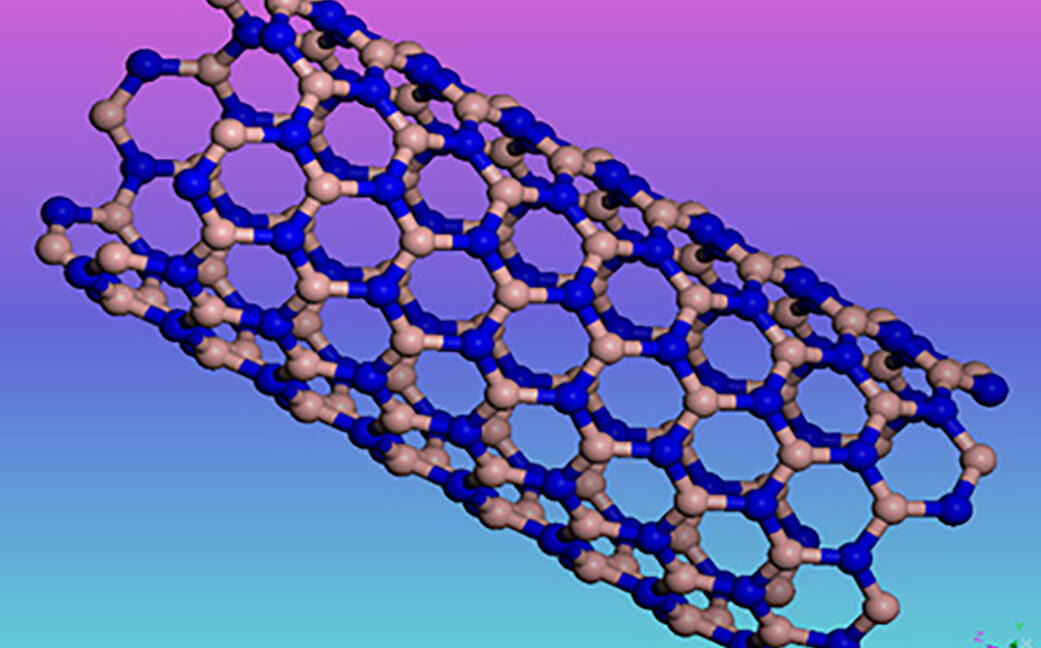
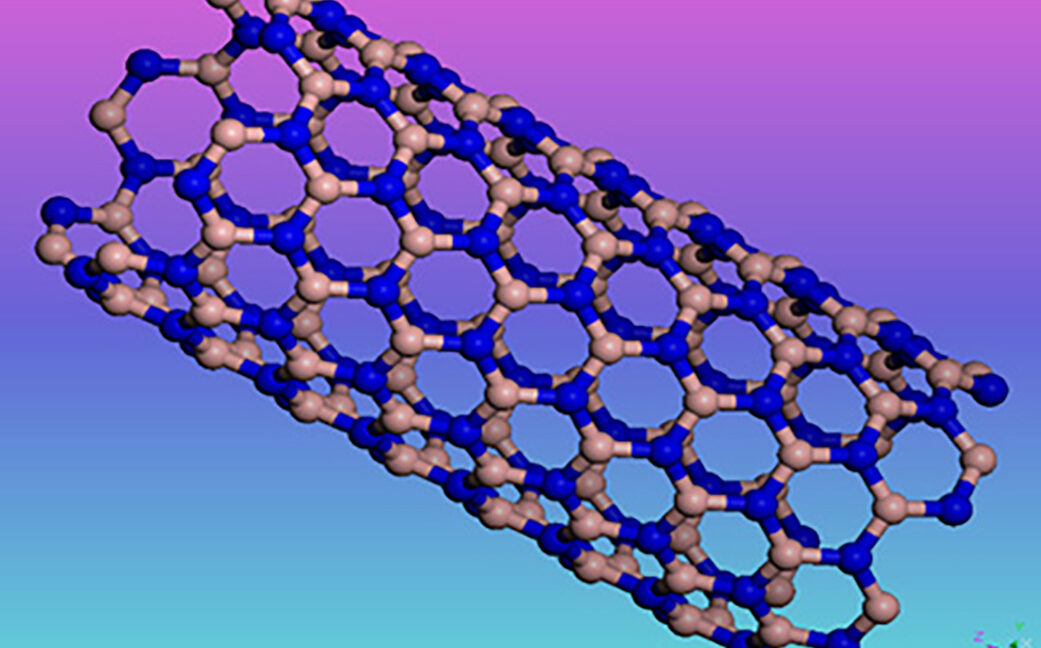
That leads to a key material in the new experiments: boron nitride. Similar to widely known graphene, boron nitride consists of connected hexagonal rings that form large, planar sheets. The bulk form stacks these sheets atop one another. That structure alters how light moves through the substance. From one direction light will hit and be absorbed or scattered. But when light is aligned along the planes of the sheets, it can propagate in the gaps between boron and nitrogen atoms.
