
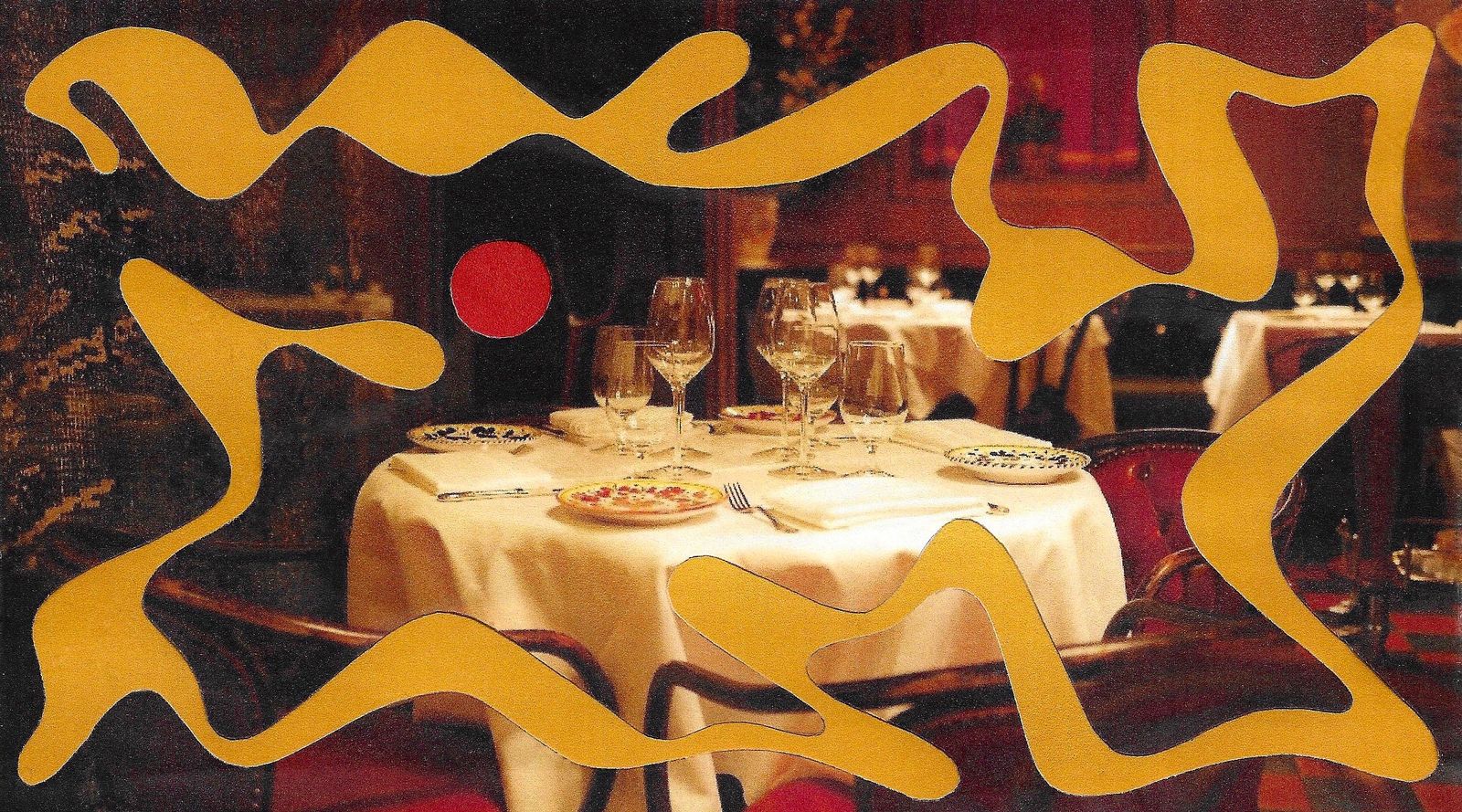
This narrative begins with large-scale immigration. During the late 1800s, the economic situation in Southern Italy worsened, prompting millions of Italians to embark for America in pursuit of prospects and the gold-laden avenues they had been promised. Numerous individuals established their homes in the northeastern U.S., often distinctly separated by area. In New York’s Little Italy, Sicilians resided on Elizabeth Street, while Calabrians were on Mott.
The newly arrived immigrants worked hard to prepare familiar dishes using the ingredients they found in this new land. Their offspring followed suit, as did their grandchildren. Gradually, Italian American cuisine emerged, a blended culinary heritage that has become fundamentally integrated into the nation’s food traditions.
By the mid-20th century, Italian American neighborhoods in key cities were filled with red sauce establishments. You can visualize their decor, even if you’ve never visited one: checkered tablecloths in red and white, empty Chianti bottles with candles wedged into them, meatballs so oversized they overshadow the plate.
Having grown up in Queens, chef Mario Carbone was deeply influenced by this cuisine and culture. “My homeroom was organized alphabetically,” he recollects. “It required an entire row of guys to get through ‘car.’ Cardona, Caruso, Carbone….” Today, he is a partner in Major Food Group alongside Rich Torrisi and Jeff Zalaznick, and he serves as the chef at the restaurant that carries his name.
It was while they were cooking together at Manhattan’s Torrisi Italian Specialities that Carbone and Torrisi first encountered Zalaznick, a frequent patron with a wealth of opinions on Italian American cuisine. Essentially, Italian American food had already garnered such affection that patrons would pay to dine there, even when the meals were mediocre. “I enjoy dining at these venues so much because of the ambiance and the emotions I experience while there,” says Zalaznick, “that I overlook the fact that the lamb is overdone.”
Carbone and Torrisi recognized an opening to personalize their culinary approach. “This presents an opportunity to express who we are and not simply replicate the dishes of our mentors or the chefs who came before us,” Torrisi explains.
Yet, as the partners began contemplating the reimagining—or revitalization—of the red sauce restaurant genre in the mid-2000s, they encountered significant hurdles. The eateries they recalled, once endearingly cozy, had grown stale, overshadowed by the $17 artisanal burgers and molecular gastronomy venues that dominated the culinary landscape at that time.
“Serious” chefs were focusing on French and New American cuisine, or honing in on regional Italian dishes. In 2012, the year prior to Carbone’s opening, former New York Times restaurant critic Pete Wells stated, “Italian American cuisine is not cherished by the tastemakers, who laud risotto alla Milanese while dismissing baked ziti, garlic bread, spaghetti and meatballs, and lobster fra diavolo.”
“No one—I mean no one—who aspired to be a great chef in New York would ever think of attaching their name to Italian American food,” Torrisi recalls. “It received zero respect in the fine dining scene.” However, Carbone would shift that perspective.
.jpg)
Illustration by Ian Woods