

Mortgage interest rates have decreased, housing prices are stabilizing, and there is an increase in available listings on the market. This culmination results in enhanced affordability for prospective homebuyers today. However, saving for a down payment remains the primary obstacle for those buying their first home.
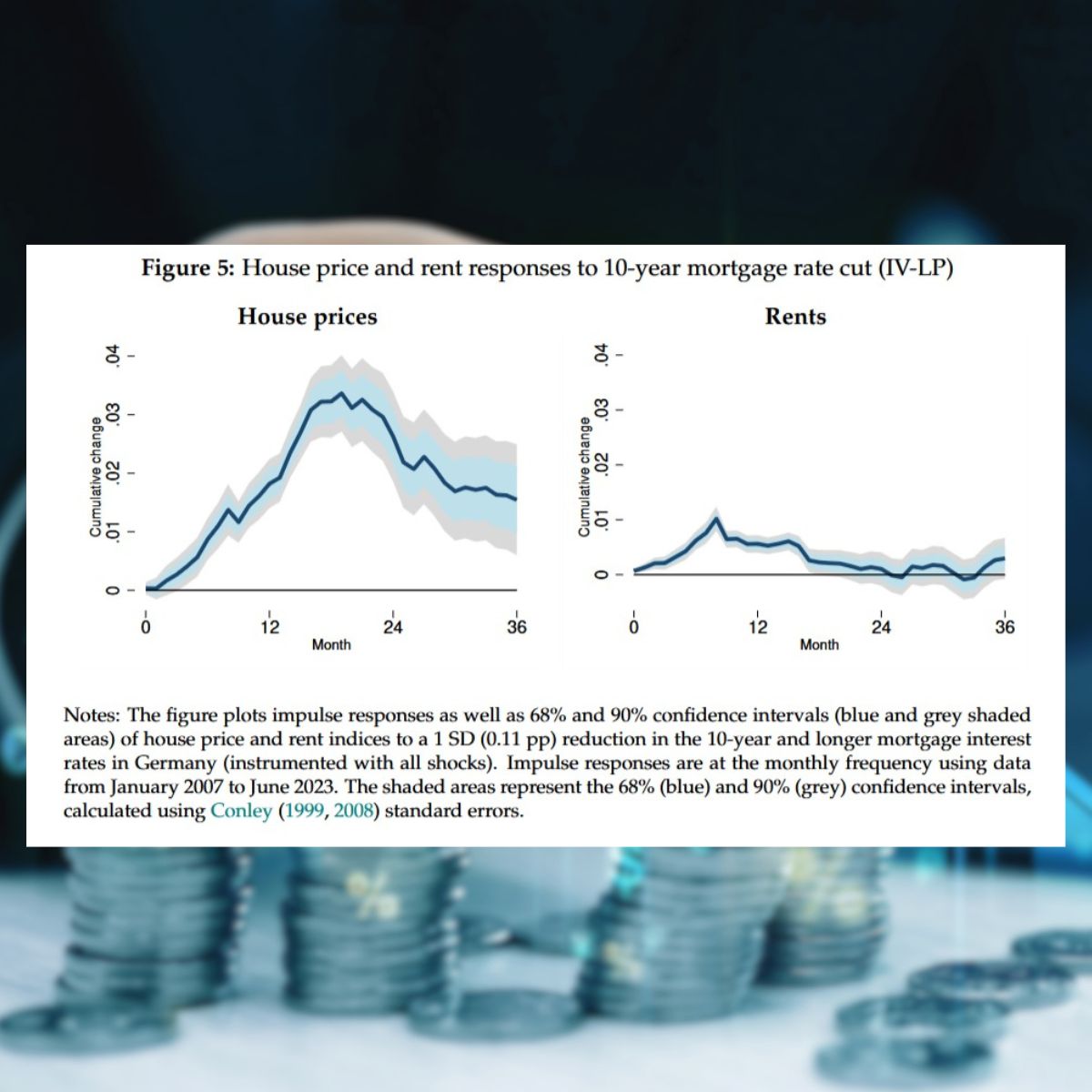
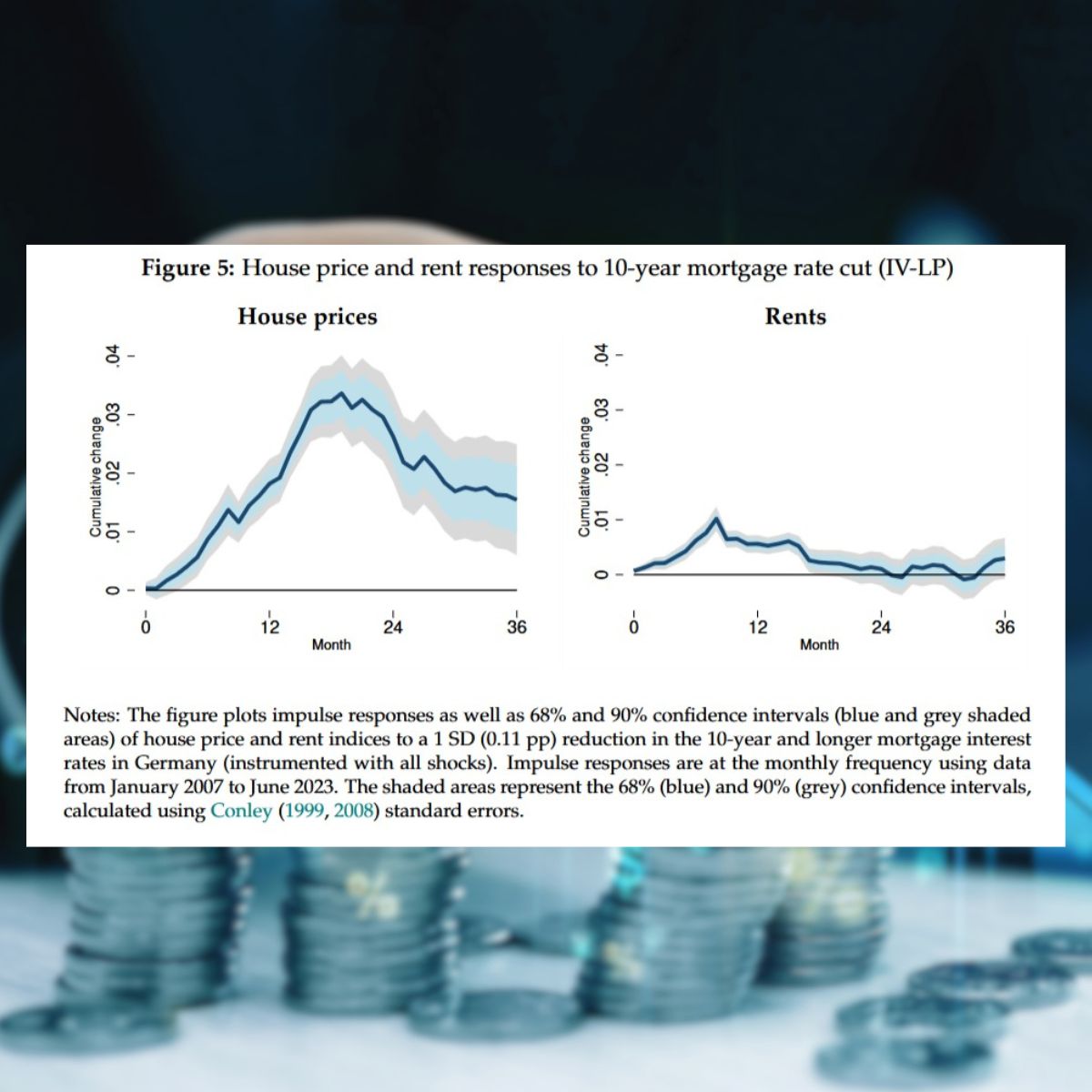
According to Parcl Labs, which conducts daily analyses of U.S. home prices, the national prices are essentially unchanged from a year ago. They briefly entered negative territory earlier this month and are currently just 0.3% above last year’s figures.
The most recent S&P Cotality Case-Shiller home price index, reflecting data from October, revealed significant variations across metropolitan markets. Among the top 20 markets identified, Chicago, New York, and Cleveland experienced the most considerable increases. In contrast, eight cities reported declining prices, with Tampa, Florida; Phoenix; and Dallas facing the most significant downturns.
“National home prices continue to fall behind consumer inflation, as October’s CPI is projected around 3.1% (based on a provisional index announced by the U.S. Treasury due to the federal data shutdown) – approximately 1.8 percentage points above the most recent housing appreciation. In real terms, this discrepancy suggests a modest decrease in inflation-adjusted home values over the last year,” stated Nicholas Godec, head of fixed income tradables and commodities at S&P Dow Jones Indices, in a statement.
Mortgage rates are also declining.
Currently, the average rate for a 30-year fixed mortgage stands at 6.19%, according to Mortgage News Daily. At the beginning of the year, it was significantly above 7%. This reduction translates to substantial savings for homebuyers.
For instance, for a buyer making a 20% down payment on a $410,000 home (which is close to the national median), the average monthly payment is now $200 lower than it was a year ago. Decreased prices and lower rates are reshaping what first-time buyers can afford.
The average homebuyer currently requires seven years to accumulate a down payment, as reported by Realtor.com. This duration has decreased from the recent high of 12 years in 2022 but remains approximately double pre-pandemic figures, partly due to the significantly lower personal savings rate compared to 2020.
Down payments continue to present the greatest challenge to homeownership, which in the latter half of this year dropped to 65%, according to the U.S. Census, marking the lowest figure since 2019.
However, a better supply of homes available for sale is generating momentum in the market. Active listings are now around 12% higher than a year ago, according to Realtor.com, although they remain 6% lower than the levels just prior to the pandemic.
Buyers seem to be reacting positively. Pending home sales, which account for signed contracts on existing properties, increased more than anticipated in November. They were up 3.3% from October, 2.6% above November 2024, and reached the highest point in nearly three years, according to the National Association of Realtors.
“Rising housing affordability—driven by decreased mortgage rates and wage growth outpacing home price increases—is encouraging buyers to explore the market. The greater variety of available inventory compared to last year is also pulling more buyers into the market,” remarked Lawrence Yun, chief economist for the Realtors, in a statement.
