
If you already own a capable gaming PC, you’re in a good position—provided the titles you care about don’t feature Mario or Pikachu, your current rig will do. It’s also not a terrible moment to upgrade an existing build if you already have at least 16GB of RAM; if you’re planning a GPU upgrade, getting it now before rising RAM costs begin to push up graphics-card prices is probably sensible.
If you don’t already have a decent gaming PC and a full PlayStation 5 costs about the same as some 32GB DDR5 RAM kits, the cons become hard to ignore regardless of the pros. That doesn’t mean we shouldn’t look into it, though.
What if you still want to buy something?
If those upside factors are still attractive and you want to build a system today, how should you handle this awful, unpredictable RAM market?
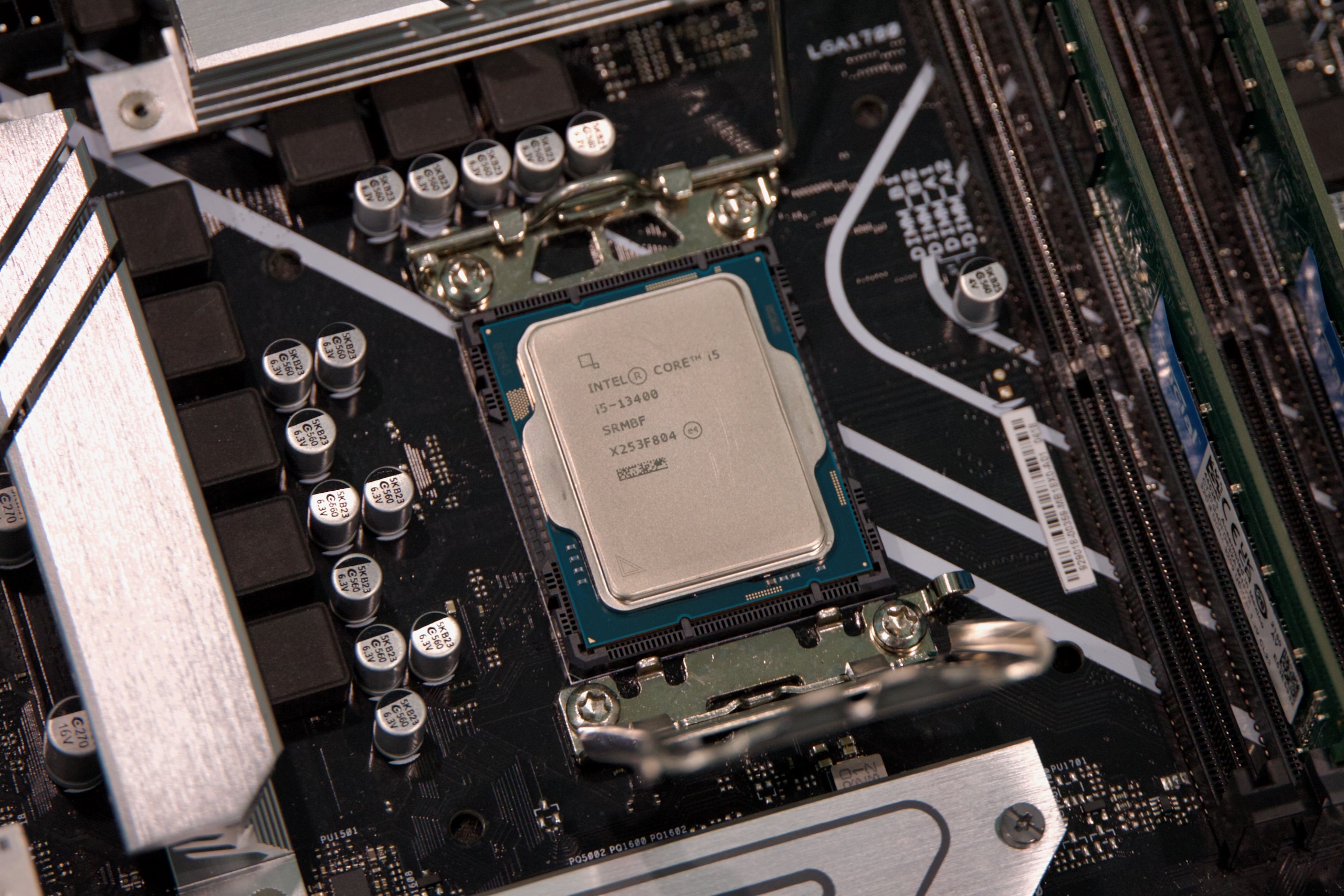
I’m not going to perform a full update to August’s system guide right now — partly because trying to recommend specific RAM kits or SSDs feels pointless while prices and availability fluctuate so wildly, and partly because aside from RAM and storage I wouldn’t change most of the recommendations much (with the caveat that the Intel Core i5-13400F appears to be getting harder to find; consider an i5-12400F or i5-12600KF instead). So, using those builds as a baseline, here’s the advice I’d give to friends curious about PC-building:
DDR4 is holding up better than DDR5. Memory prices across the board have risen recently, but DDR4 costs haven’t become quite as severe as DDR5’s. That won’t help if you plan to build around a newer Ryzen processor and an AM5 motherboard, since those platforms require DDR5. However, if you’re aiming for a more budget-oriented system using one of Intel’s 12th-, 13th-, or 14th-gen CPUs, a reputable 32GB DDR4-3200 kit is roughly half the price of a comparable 32GB DDR5-6000 kit. Prices aren’t great, but you can still put together a respectable system for under $1,000.
