
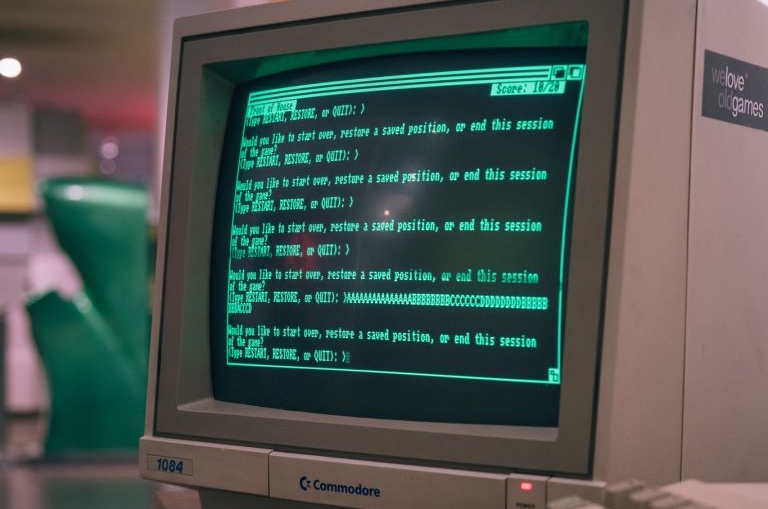
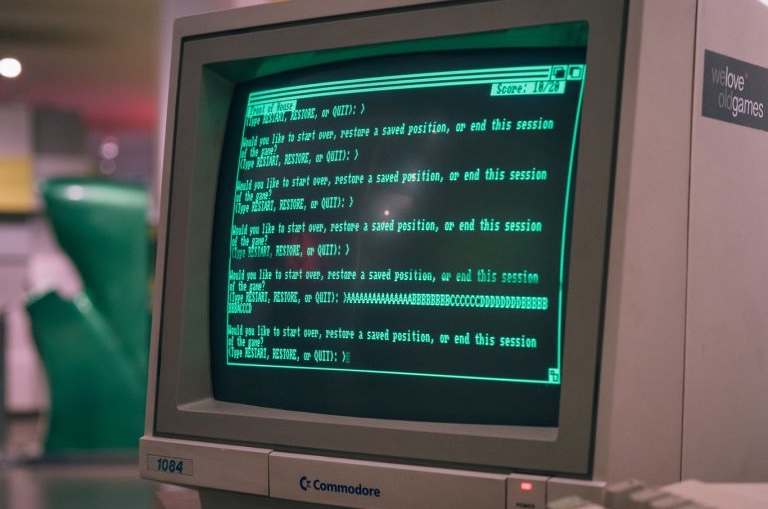
Zork, the iconic text-driven adventure title of immense impact, has been released under the MIT License, along with the sequels Zork II and Zork III.
The decision to open source these Zork titles results from the collaborative efforts of the Xbox and Activision teams alongside Microsoft’s Open Source Programs Office (OSPO). The parent entity Microsoft retains the intellectual property rights for the franchise.
Only the source code itself is now open source. Related items like commercial packaging and advertising materials remain proprietary, as do associated trademarks and brands.
“Instead of generating new repositories, we’re making direct contributions to history. In partnership with Jason Scott, the renowned digital archivist known for his work with Internet Archive, we have officially submitted upstream pull requests to the historical source repositories of Zork I, Zork II, and Zork III. Those pull requests incorporate a clear MIT LICENSE and formally record the open-source grant,” states the announcement co-authored by Stacy Haffner (OSPO director at Microsoft) and Scott Hanselman (VP of Developer Community at the company).
Microsoft obtained control of the Zork IP following its acquisition of Activision in 2022; Activision had acquired it when it took over the original publisher Infocom in the late ’80s. There was a previous attempt to sell Zork publishing rights directly to Microsoft even earlier in the ’80s, as founder Bill Gates was an avid Zork enthusiast, but that deal fell through, making it ironic that it eventually arrived at the same destination.
To clarify, this is not the first instance of the original Zork source code being accessible to the public. Scott uploaded it to GitHub in 2019, but the licensing issue was not resolved, and Activision or Microsoft could have pursued a takedown request had they chosen to do so.
Now, that risk is clearly no longer present.
